Astrology has been around for thousands of years, attracting both believers and skeptics alike. While many find meaning in astrological insights, others view it as lacking scientific basis. This ongoing debate raises the question: can astrology be conclusively proven as fake, or does it hold value beyond what science can measure? Let’s delve into the controversies, misconceptions, and arguments surrounding astrology to understand why it continues to fascinate and divide people worldwide.
1. Understanding the Basis of Astrology
Astrology is rooted in the belief that celestial bodies—the planets and stars—influence human lives and events on Earth. Each individual’s astrological chart, or kundli, is mapped according to the position of these celestial bodies at the time of their birth. This chart is then interpreted to provide insights into personality traits, life events, and even challenges one might face.
Astrology is organized by:
- Zodiac Signs: Divided into twelve signs, each representing distinct personality traits and tendencies.
- Planetary Periods or Dashas: These are periods in an individual’s life influenced by certain planets, like the much-discussed Shani Mahadasha.
- Houses and Aspects: Each of the twelve houses in a chart is said to represent different aspects of life, including career, relationships, health, and spirituality.
2. The Scientific Community’s View on Astrology

The majority of scientists are skeptical of astrology, often dismissing it as a pseudoscience. Critics argue that astrology lacks scientific evidence, relying instead on subjective interpretation rather than objective data. Some key scientific arguments against astrology include:
- Lack of Empirical Evidence: Scientific studies on astrology typically fail to demonstrate consistent results. For instance, studies aiming to find a correlation between zodiac signs and personality traits have shown little evidence that astrological signs affect human behavior.
- The Forer Effect: Psychology experiments show that people tend to accept vague and general statements about themselves, known as the Forer effect. This tendency might explain why some people find horoscopes accurate or relatable.
- Inconsistent Results: Repeated experiments have shown that astrologers often cannot provide consistent readings or predictions when analyzing similar astrological charts under controlled conditions.
3. Can Astrology Be Scientifically Proven?
The challenge in “proving” astrology false stems from its subjective and interpretive nature. Astrology involves symbolic meaning and relies on intuition, which makes it difficult to evaluate using the scientific method. Astrology doesn’t follow a traditional cause-and-effect framework, so its predictions are not easily tested or falsified. This makes it difficult to either prove or disprove astrology conclusively.
4. Why People Believe in Astrology Despite Skepticism
Even without scientific backing, millions of people believe in astrology and find it meaningful. This belief persists due to several factors:
- Psychological Comfort: Many people turn to astrology for reassurance, especially during challenging times. The idea that cosmic forces can guide one’s journey offers a sense of purpose.
- Personal Validation: Astrology often provides positive and affirming messages that resonate with readers, creating a sense of validation and identity.
- Cultural Influence: In countries like India, astrology is culturally significant and woven into daily life. Events like marriage, business decisions, and religious ceremonies are often aligned with astrological recommendations.
5. The Intersection of Astrology and Science: Exploring Potential Explanations
While traditional science remains skeptical of astrology, there are some areas where science and astrology intersect:
- Behavioral Influence: The lunar cycles have long been known to affect ocean tides, and some studies suggest a correlation between the moon’s phases and human behavior, particularly in sleep patterns. Although far from proof, this raises interesting questions about other planetary influences.
- Circadian Rhythms and Seasonal Births: Some research has found patterns in personality traits based on birth seasons, possibly influenced by environmental factors. While this doesn’t align with astrological signs, it suggests that birth timing might play a minor role in development.
6. Astrology as a Tool for Self-Reflection
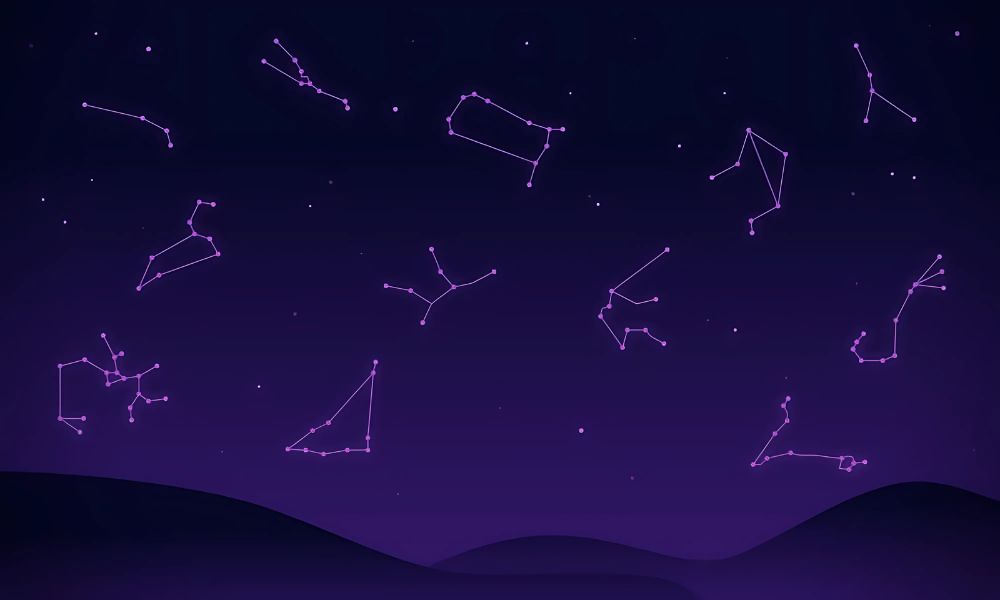
Astrology can act as a psychological tool, helping people understand their behavior, strengths, and weaknesses. Like mythology, astrology uses symbolic language to make sense of human nature. Many believers find that astrology provides insights that science doesn’t measure, making it valuable on a personal level even if it cannot be empirically validated.
7. Misconceptions About Astrology and Skepticism
- Astrology Is About Prediction: While some astrologers make predictions, astrology is not solely about forecasting the future. It’s also about understanding oneself and recognizing potential life patterns.
- Astrology Claims to Be Scientific: Many astrologers see astrology as an art rather than a science. They view astrological charts as interpretive maps rather than factual diagrams, emphasizing intuition over empirical analysis.
8. The Role of Astrology in Modern Culture
Astrology is now more popular than ever, largely due to the internet and social media. Platforms offer daily horoscopes, personality insights, and compatibility tests, making astrology accessible to millions. Despite scientific doubts, astrology’s cultural value endures as a form of guidance and self-exploration. For many, astrology’s worth lies not in its scientific accuracy but in the perspective it provides on life’s complexities.
9. Conclusion: Astrology’s Resilience in the Face of Skepticism
While astrology lacks empirical support, it endures because it speaks to a deeply human need for understanding and purpose. It may not be “proven” by traditional science, yet astrology continues to be a meaningful practice for millions around the world. Whether viewed as a myth, a guiding philosophy, or a pseudoscience, astrology provides insights that resonate on a personal and cultural level.
For engaging astrology content, please follow us on Instagram.