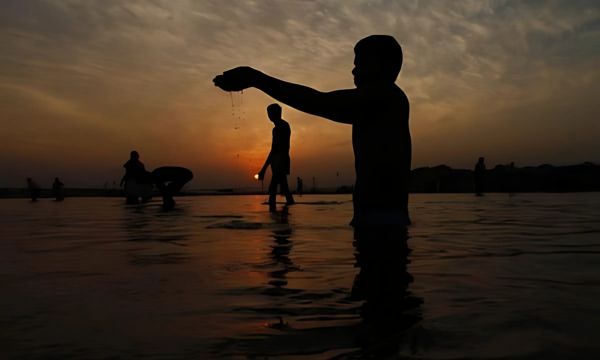
Death, while a natural part of life, is surrounded by numerous rituals in various cultures, especially in Indian tradition. One such significant custom is bathing after attending a funeral. This practice, rooted in ancient beliefs, has both astrological and scientific reasoning behind it. Let’s explore these dimensions in detail.
The Ritual of Bathing After a Funeral
Bathing after attending a funeral is a deeply ingrained custom in many cultures, particularly in India. It is believed to cleanse the individual physically and spiritually, removing any lingering negative energy associated with death. This ritual, though simple, holds profound significance.
Astrological Reasons for Bathing After a Funeral
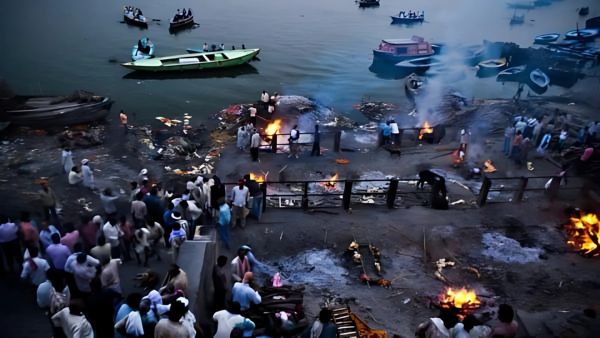
In astrology, death is considered a powerful event that disrupts the cosmic balance and creates negative energy. This energy, according to Vedic astrology, can cling to individuals who attend a funeral, potentially influencing their aura and planetary alignments.
- Impact on Aura and Chakras: Attending a funeral is believed to affect the aura, which can absorb negative vibrations from the departed soul’s surroundings. Bathing helps cleanse and restore the aura, ensuring the chakras remain balanced and aligned.
- Planetary Influences:
- Funeral rites involve the invocation of Saturn (Shani), the planet of karma and endings. Prolonged exposure to Saturn’s energies can lead to feelings of heaviness and melancholy.
- Bathing with clean water is seen as a way to neutralize these effects, bringing balance to the planetary energies.
- Timing of Funerals and Rahu Kaal: Funerals are often conducted during specific times to avoid Rahu Kaal, a period associated with negative energy. Bathing after the rites ensures that individuals are shielded from Rahu’s influence, which could otherwise impact their horoscope.
Scientific Reasons for Bathing After a Funeral
Science also offers compelling explanations for this ritual, focusing on hygiene and psychological well-being.
- Preventing the Spread of Germs:
- During a funeral, individuals may come into contact with germs, bacteria, or other microorganisms, especially in cases where the deceased suffered from an infectious disease.
- Bathing acts as a precautionary measure, reducing the risk of contamination and promoting good hygiene.
- Psychological Reset:
- Funerals can be emotionally taxing, leading to feelings of grief and anxiety. Bathing provides a calming effect, helping individuals relax and refresh their minds.
- The act of cleansing symbolizes a fresh start, aiding in emotional closure and mental clarity.
- Neutralizing Airborne Particles:
- Cremation or burial sites may expose attendees to smoke, ash, or dust. Washing thoroughly removes these particles from the skin and hair, ensuring cleanliness and health.
Cultural and Traditional Beliefs
Bathing after a funeral is not just limited to India; similar practices exist in other cultures as well.
- Hindu Tradition: In Hinduism, death rituals often involve fire (cremation) and the presence of priests chanting mantras. Bathing purifies the body, helping individuals transition back into their daily lives.
- Buddhist Practices: Buddhists view death as a passage to the next life. Cleansing the body symbolizes detachment from worldly sorrows.
- Christianity and Judaism: In many Christian and Jewish communities, washing hands or bathing after attending a funeral signifies respect for the deceased and the act of purification.
How to Perform the Cleansing Ritual
- Use of Holy Water:
- In Indian tradition, adding a few drops of Ganga Jal (water from the Ganges) to your bath is considered auspicious.
- Salt Water Bath:
- Salt is known for its cleansing properties. A saltwater bath can help neutralize negative energies effectively.
- Burning Incense:
- Lighting incense or using essential oils like sandalwood or lavender post-bath can enhance the feeling of spiritual cleansing.
Final Thoughts
Bathing after a funeral is more than just a ritual; it’s a practice rooted in ancient wisdom, blending astrological beliefs with scientific logic. Whether it’s to cleanse negative energies, maintain hygiene, or find emotional closure, this tradition underscores the importance of holistic well-being. By understanding its deeper significance, we honor not just the departed soul but also our own physical and spiritual health.
For engaging astrology content, please follow us on Instagram.