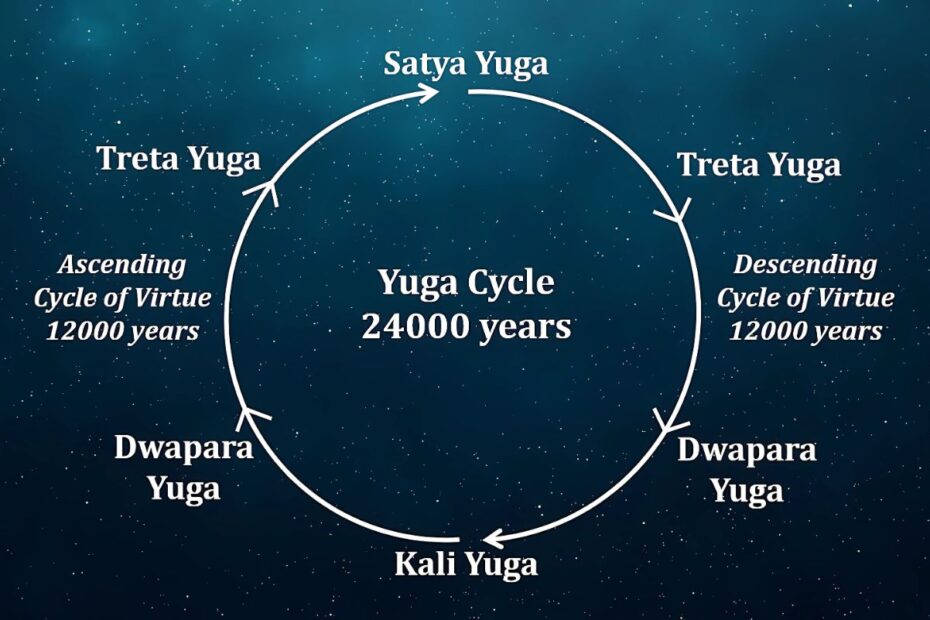
Hindu mythology offers profound insights into the cyclical nature of time and existence, guided by the concept of yugas—epochal time periods in cosmic cycles. Many wonder, do we take birth in the same form and identity in the next yuga? This question delves deep into the essence of rebirth, karma, and the eternal cycle of life.
Understanding Yugas in Hindu Mythology
Hindu cosmology divides time into four yugas:
- Satya Yuga (Golden Age): A time of truth, virtue, and spiritual harmony.
- Treta Yuga (Silver Age): Slight decline in morality but an era of great epics like Ramayana.
- Dvapara Yuga (Bronze Age): Increased materialism and weakening of dharma (cosmic order).
- Kali Yuga (Iron Age): Current era of spiritual decline and discord, yet also an age of potential liberation through devotion.
At the end of one Mahayuga (a complete cycle of these four yugas), the universe undergoes dissolution (pralaya) and re-creation.
Rebirth in Hindu Philosophy
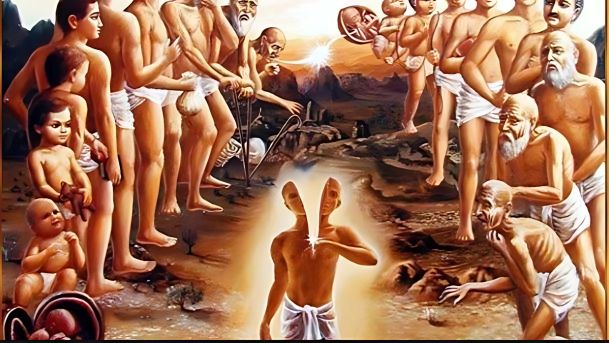
The idea of rebirth is central to Hinduism, governed by the law of karma (actions and their consequences). According to scriptures:
- The Atman (Soul): Eternal and indestructible, it transcends the physical body.
- Form and Identity: These are tied to one’s karma and dharma, shaping one’s rebirth in the next life.
However, in the context of yugas, rebirth in the same form or identity is rare. Let’s explore why.
Karmic Influences on Form and Identity
- Karma as a Determining Factor
Your actions in a particular yuga influence the form, family, and circumstances of your next birth. Good deeds (positive karma) lead to higher spiritual evolution, while negative karma may result in challenges. - The Role of Dharma
Dharma changes with each yuga. For instance, in Satya Yuga, beings are highly virtuous, while in Kali Yuga, adherence to dharma becomes more challenging. This variation affects the spiritual evolution of the soul and its form in subsequent births.
Cycles of Yugas and Identity Preservation
Hindu mythology does not explicitly state that individuals are reborn in the same form or with the same identity in the next cycle of yugas. Instead:
- Endless Cosmic Play: After each pralaya, souls may take new forms based on their karmic residue, aligning with the conditions of the new cosmic cycle.
- Rare Exceptions: Divine beings or avatars like Krishna and Rama are reborn with their spiritual essence intact, as their existence transcends karma.
Key Examples in Hindu Scriptures
- Bhagavad Gita’s Teachings on Rebirth
Lord Krishna declares in the Bhagavad Gita:
“As a person puts on new clothes, the soul adopts new bodies as old ones wear out.”
This metaphor highlights that forms and identities are temporary and change across lifetimes. - Reappearance of Divine Beings
Certain figures, like Maharishi Vyasa, are believed to appear repeatedly in various yugas to guide humanity, though they do not retain the same physical identity.
Rebirth in Kali Yuga and Beyond
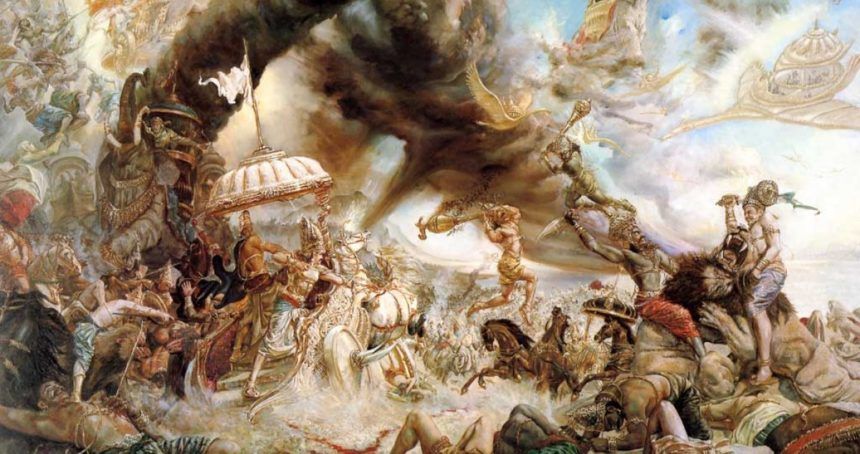
Kali Yuga, with its spiritual challenges, offers unique opportunities for liberation (moksha). Souls who achieve moksha break free from the cycle of rebirth. Others may reincarnate in different forms, depending on their karmic balance.
Astrological Perspective on Rebirth
Astrology plays a vital role in understanding past lives and future births. By analyzing a birth chart horoscope, one can glimpse karmic patterns and spiritual lessons. Some believe specific planetary alignments may offer clues about past-life identities or future incarnations.
Conclusion: Evolution Through Yugas
In Hindu mythology, rebirth across yugas symbolizes spiritual evolution rather than identity preservation. While forms and identities are transient, the eternal soul (atman) progresses towards ultimate liberation.
Whether you’re exploring your 2024 horoscope or pondering the cosmic cycles, the wisdom of Hindu mythology encourages you to focus on living a life of dharma and positive karma, ensuring a brighter journey in this life and beyond.
For engaging astrology content, please follow us on Instagram.