
In Vedic astrology, karma plays a pivotal role in shaping the trajectory of our lives. The concept of karma revolves around the idea that our actions—both good and bad—determine our future experiences. Just like the horse guides a chariot, karma drives our destiny, influencing the course of our spiritual, material, and emotional lives. Understanding the principles of karma and how it interacts with our astrological charts can provide deep insights into the journey of life.
What is Karma in Astrology?
In the simplest terms, karma refers to the law of cause and effect. Every action we take sets in motion a series of events that impact our future. This includes our thoughts, words, and deeds. Vedic astrology uses the positioning of planets and houses to interpret the karmic influences on our lives. Our birth chart is like a snapshot of our past actions (karma) and shows how they manifest in this lifetime.
The Role of Karma in the Astrology Chart
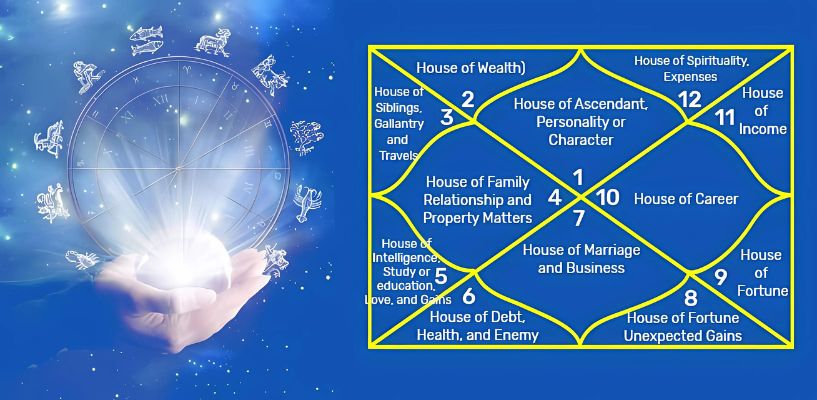
In astrology, Rahu and Ketu are known as the “shadow planets” and are considered the two primary indicators of karma. Rahu represents our unfulfilled desires and material aspirations, while Ketu symbolizes past life experiences and spiritual evolution. Together, they form the karmic axis that guides our soul’s journey.
- Rahu drives the chariot forward, pushing us toward worldly experiences and challenges.
- Ketu tugs in the opposite direction, steering us toward spiritual growth and liberation from material attachments.
By analyzing the positions of Rahu and Ketu in the birth chart, along with other significant planetary placements, astrologers can uncover the karmic lessons that one is meant to experience in this life.
How Karma Affects the Different Houses in Astrology
In astrology, each house of the birth chart represents specific areas of life, such as wealth, career, family, and spirituality. The karmic energies manifest differently depending on which house the planets occupy, especially the karmic nodes—Rahu and Ketu.
- Karma in the 1st House (Personality and Identity): The 1st house governs our identity and approach to life. A strong karmic influence in this house may indicate that the individual’s personality is deeply shaped by past life experiences, often pushing them to confront challenges related to self-image or self-worth. Aries zodiac sign individuals may feel driven by karma to explore their identity through action and courage.
- Karma in the 2nd House (Wealth and Values): The 2nd house is associated with wealth, values, and family. Karmic influences here can create fluctuating fortunes, leading individuals to either great material success or financial instability, depending on their past actions. Taurus zodiac sign individuals might face lessons around material attachments and the importance of spiritual wealth over material gains.
- Karma in the 7th House (Marriage and Partnerships): The 7th house relates to partnerships and marriage. If karma plays a role here, individuals may experience difficult relationships that act as mirrors for unresolved issues from past lives. They are pushed to grow through their interactions with others. Libra zodiac sign individuals may encounter karmic partnerships that teach them balance and harmony.
The Chariot Symbolism: Karma as the Driver
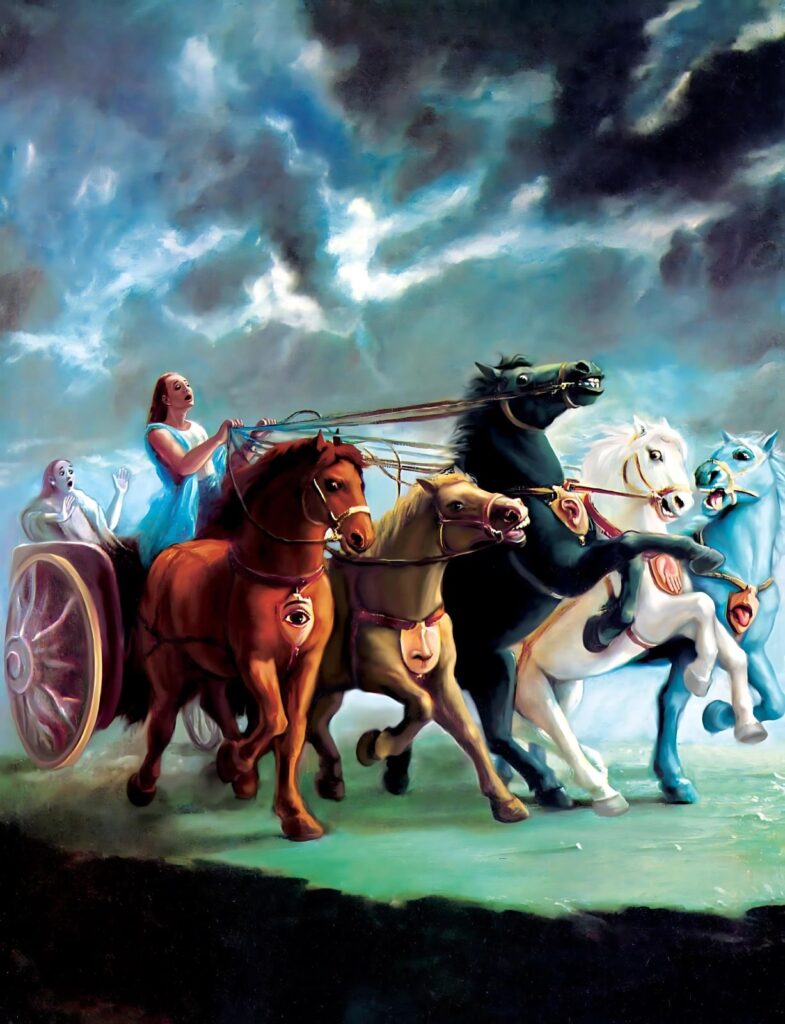
In Vedic symbolism, the human life is often compared to a chariot, and karma is the horse that pulls it. As the horse drives the chariot forward, we are guided by the outcomes of our actions, consciously or unconsciously. This metaphor illustrates how karma shapes the path of our lives:
- The Chariot (Body and Mind): Our physical existence is the chariot, and it represents the vehicle through which we experience life.
- The Horse (Karma): Karma is the force that drives this chariot, determining its speed, direction, and obstacles along the way.
- The Driver (Free Will): While karma influences our path, we, as the drivers, hold the reins. This symbolizes our free will, which can guide or misguide us based on our awareness of karma.
Understanding that we are both the driver and the passenger in this chariot allows us to navigate our life experiences with greater wisdom and patience. By recognizing the effects of past actions, we can steer our lives in a more conscious direction, embracing spiritual growth.
The Spiritual Perspective on Karma
From a spiritual perspective, karma is not a form of punishment but a tool for evolution. It allows us to learn from our past actions and make better choices in the present. By aligning with the spiritual wisdom found in astrology, we can balance the energies of Rahu and Ketu, learning to navigate both the material and spiritual realms.
- Rahu and Ketu’s Role in Spiritual Growth: Rahu encourages us to fulfill our material desires, but it can also lead to obsession if not kept in balance. Ketu, on the other hand, invites us to renounce material attachments and focus on spiritual enlightenment. By understanding the interplay between these two forces, we can create a harmonious life that satisfies both our material and spiritual needs.
- Karmic Lessons and Life Purpose: Every individual has a unique set of karmic lessons to learn, and these are often revealed through astrology. Whether it’s overcoming challenges in relationships, finding a balanced career path, or addressing health issues, each lesson is a step toward fulfilling our higher purpose.
How to Use Astrology to Understand Your Karma
Astrology offers tools to understand how karma shapes our lives. By examining the placement of planets in our birth chart, especially the karmic nodes Rahu and Ketu, we can uncover patterns from past lives that continue to influence our present actions.
- Rahu and Ketu’s Placement: Rahu and Ketu’s position in the houses of your birth chart reveal where your karmic focus lies. Rahu will show where you need to direct your energy in this lifetime, while Ketu indicates the areas where you are likely to experience detachment or disillusionment.
- Planetary Transits and Karmic Activation: The movement of planets (transits) across your birth chart can activate certain karmic lessons at different points in your life. Keeping track of major transits, especially of Rahu, Ketu, and Saturn, can provide insight into when significant karmic events may unfold.
Conclusion: Navigating Karma with Awareness
In the grand chariot of life, karma is the horse that propels us forward, while we hold the reins through our free will and choices. Understanding the astrological indicators of karma, especially the placement of Rahu and Ketu, allows us to navigate life’s journey with wisdom. Whether you’re an Aries zodiac sign, Cancer zodiac sign, or any other, astrology can guide you toward a deeper understanding of your karmic path.
By embracing the lessons that karma offers and using astrology as a tool for self-awareness, we can find balance between our material desires and spiritual goals. To further explore how karma influences your personal life, consider a Vedic astrology consultation or use online astrology tools to analyze your birth chart.
This blog combines a detailed understanding of karma in astrology with practical insights for navigating its effects. Through astrological wisdom, we can learn to steer our life’s chariot with greater consciousness and grace.
For engaging astrology content, please follow us on Instagram.