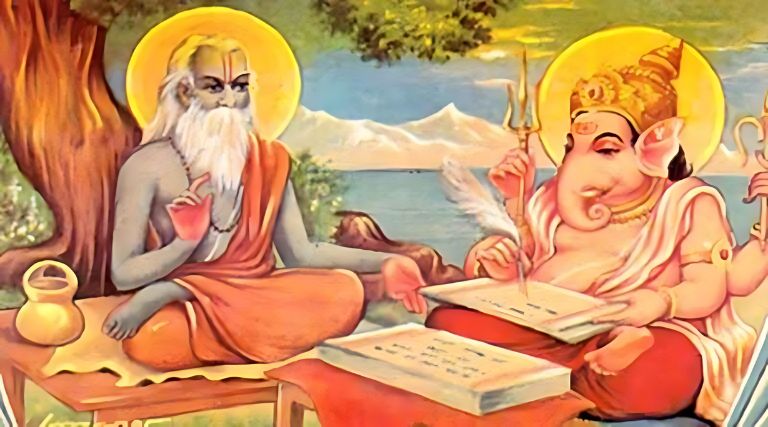
The Ramayana and Mahabharata stand as two of the most revered epics in Hindu literature, symbolizing moral, spiritual, and cultural teachings that have shaped Indian heritage. These epics don’t just depict grand stories of valor, duty, and devotion; they also present philosophical insights, moral lessons, and profound wisdom. But who were the masterminds behind these epic tales? Let’s dive into the lives and legacies of the authors behind these great works.
The Author of the Ramayana: Sage Valmiki
Who was Valmiki?
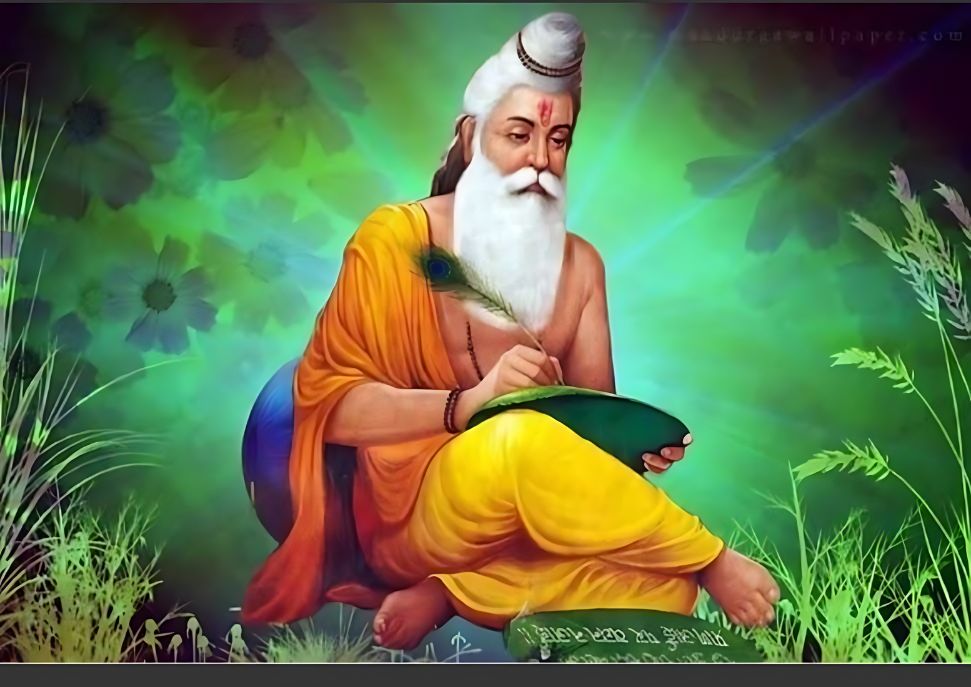
Valmiki is traditionally regarded as the author of the Ramayana. Known as the “Adikavi” or the “First Poet,” Valmiki is credited with composing this epic in Sanskrit verse. His journey from a notorious highwayman to a sage of great wisdom is itself an inspiring story. Legend has it that he became enlightened after meditating for years, during which he grew so still that an anthill (Valmika in Sanskrit) grew around him, hence his name, Valmiki.
The Ramayana’s Structure and Content
The Ramayana, believed to be written around the 5th century BCE, consists of 24,000 shlokas (verses) across seven books, or Kandas. Each verse captures the journey of Prince Rama, his exile, his love for his wife Sita, and the ultimate triumph of good over evil. The Ramayana also explores themes of loyalty, sacrifice, and righteousness, making it more than just a story—it’s a guide to living a virtuous life.
Valmiki’s Influence and Contribution
Valmiki’s portrayal of Rama as the ideal man and his emphasis on dharma (duty) deeply influenced Indian thought, literature, and culture. His poetic narration and mastery over language set the foundation for the Sanskrit epic tradition, earning him an eternal place in Indian literary history.
The Author of the Mahabharata: Sage Vyasa
Who was Vyasa?
Sage Vyasa, also known as Veda Vyasa or Krishna Dvaipayana Vyasa, is traditionally credited with composing the Mahabharata, a monumental epic containing 100,000 shlokas, making it one of the longest epic poems in the world. Vyasa is also revered as the compiler of the Vedas and a prominent figure in Hindu philosophy. His contributions to Hindu literature and culture are invaluable.
The Structure and Content of the Mahabharata
The Mahabharata narrates the epic struggle between the Pandavas and Kauravas, encapsulating themes of rivalry, friendship, family bonds, and morality. It contains 18 books, known as Parvas, each rich with lessons in dharma and spiritual knowledge. The Bhagavad Gita, a sacred text that is a conversation between Prince Arjuna and Lord Krishna on the battlefield, is part of the Mahabharata. This dialogue encapsulates profound wisdom on duty, life, and spirituality, and is considered a guide to righteous living.
Vyasa’s Influence and Legacy
Vyasa’s narration in the Mahabharata goes beyond war, addressing philosophical questions about life, ethics, and dharma. His ability to weave intricate details of politics, devotion, and morality transformed the Mahabharata into a timeless epic. His work has inspired numerous interpretations, adaptations, and commentaries that continue to influence literature, philosophy, and spirituality.
How the Ramayana and Mahabharata Differ
Both the Ramayana and Mahabharata are revered as scriptures that impart moral teachings, yet they serve different purposes and reflect different eras of thought.
- Narrative Style: Valmiki’s Ramayana is a simpler narrative that focuses on ideal virtues. In contrast, Vyasa’s Mahabharata is layered with complex themes, reflecting the moral dilemmas and ethical struggles of its characters.
- Central Themes: The Ramayana portrays an idealistic approach, emphasizing virtues like loyalty, devotion, and duty. The Mahabharata, however, presents a more realistic view, where characters navigate complex ethical choices, reflecting the challenges of human nature.
- Philosophical Depth: The Mahabharata dives deeper into questions of ethics and philosophy, especially in the Bhagavad Gita, which explores karma, dharma, and spiritual liberation. While the Ramayana also touches upon these themes, it focuses more on Rama as a symbol of the ideal man and the importance of adhering to one’s duties.
The Timeless Appeal of These Epics
Both the Ramayana and Mahabharata remain relevant across centuries due to their universal themes and moral lessons. The idealism of the Ramayana and the realism of the Mahabharata have captured the hearts of millions, guiding readers to understand their roles, duties, and the values they should uphold.
Conclusion: Valmiki and Vyasa’s Enduring Legacy
The Ramayana and Mahabharata, written by sages Valmiki and Vyasa respectively, continue to resonate with readers worldwide. Valmiki’s poetic verses inspire virtue and devotion, while Vyasa’s intricate narrative encourages philosophical contemplation and the pursuit of wisdom. These epics serve as both spiritual guides and cultural treasures, reminding us of the power of duty, the complexity of human nature, and the pursuit of righteousness.
For engaging astrology content, please follow us on Instagram.