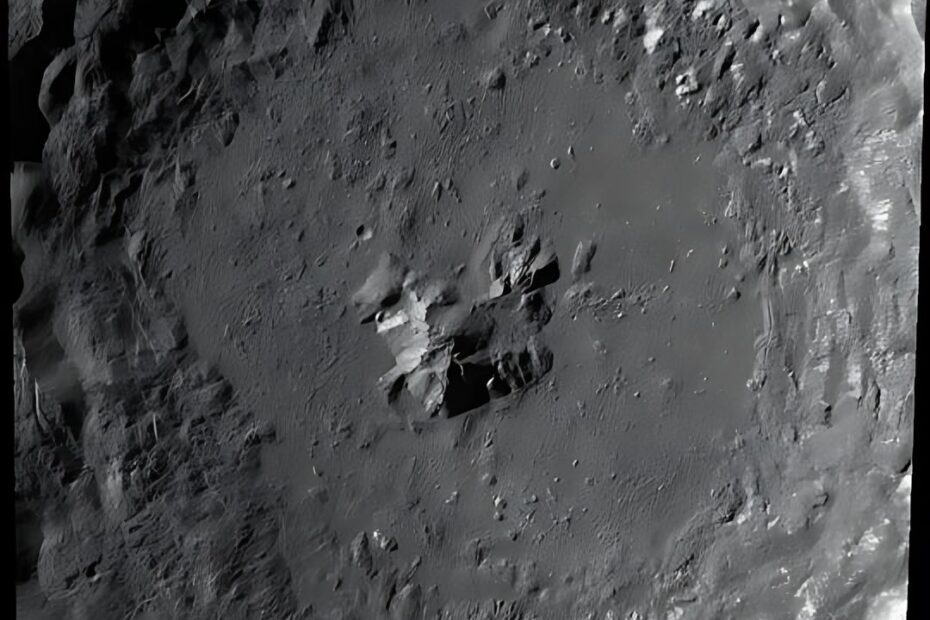
The Moon, our closest celestial neighbor, has always been a source of mystery and fascination. Over the years, scientists have uncovered new insights that not only reveal the Moon’s history but also shed light on the Sun’s ancient activity. One of the most exciting discoveries in recent times is how the Moon’s crust holds a record of the Sun’s history. This cosmic revelation has significant implications for our understanding of both lunar and solar evolution.
How the Moon’s Crust Captures the Sun’s Activity
The Moon’s surface has been bombarded by solar wind particles for billions of years. The solar wind is a stream of charged particles—mainly protons and electrons—that flow from the Sun. Since the Moon lacks a substantial atmosphere or magnetic field to deflect these particles, they directly interact with the lunar soil, embedding solar material in its crust.
These trapped solar particles, particularly isotopes like helium and hydrogen, serve as a historical record of the Sun’s activity. By analyzing these isotopes in lunar samples, scientists can trace the fluctuations in solar wind intensity and the Sun’s magnetic field strength over time.
Moon Rocks: A Time Capsule for Solar History
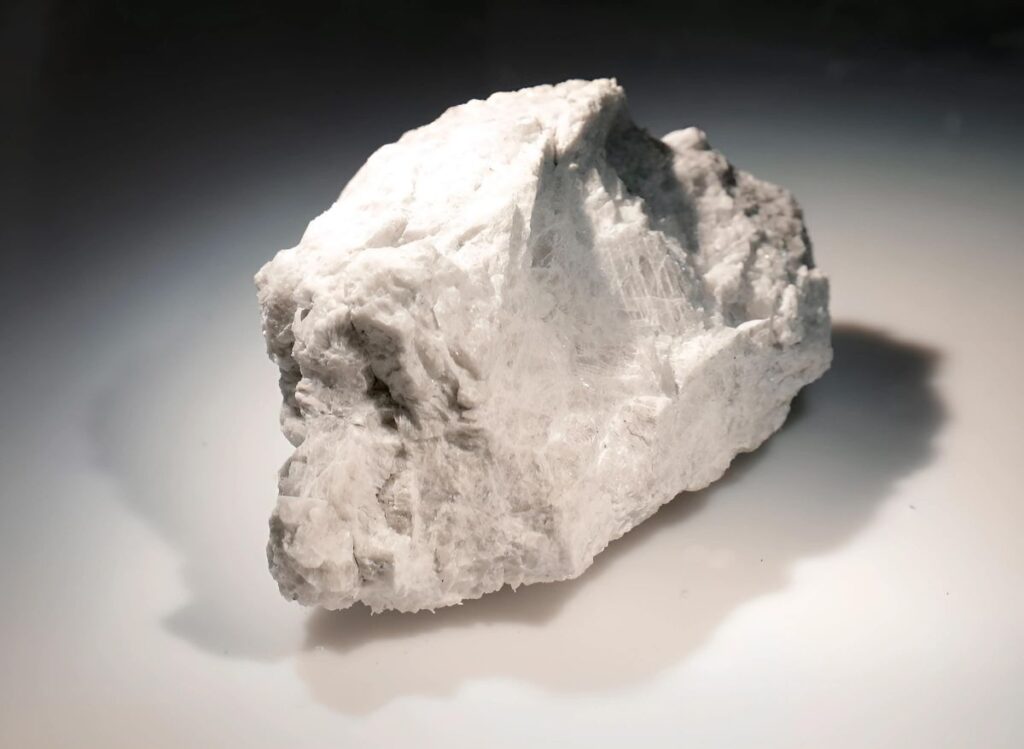
The lunar rocks collected during the Apollo missions have provided invaluable data. These samples, preserved from solar and cosmic radiation, contain embedded particles from ancient solar winds. By examining the concentration of certain isotopes, researchers can reconstruct the Sun’s behavior over millions or even billions of years.
For example, variations in helium-3 and hydrogen-2 (deuterium) levels in the Moon’s crust can give clues about solar activity during different periods. Such data helps scientists understand solar cycles and the potential changes in the Sun’s intensity that could have affected the solar system’s development.
Implications for Understanding the Sun and Earth’s Climate
The Sun’s behavior has a direct impact on Earth, particularly concerning climate patterns. By studying the Sun’s history through the Moon’s crust, scientists can gain insights into how solar activity has fluctuated and influenced Earth’s climate over millennia.
A better understanding of past solar activity can help predict future solar behavior and its potential impact on Earth, including technological disruptions from solar storms or shifts in climate patterns. This knowledge is essential as we prepare for possible changes in solar output that could affect satellite communications, power grids, and other technologies dependent on the Sun’s energy.
The Role of Cosmic Rays and Solar Wind in Lunar Evolution
Apart from recording the Sun’s history, the interaction between solar wind and the Moon’s surface also provides insights into how cosmic rays and solar radiation have shaped lunar evolution. Over billions of years, the Moon has been exposed to varying intensities of solar wind and cosmic rays, which have altered its surface in subtle ways.
By studying the isotopic composition of lunar soil and rocks, scientists can infer how cosmic rays and solar radiation have affected the Moon’s surface layers. This not only enhances our understanding of lunar geology but also offers clues to the broader history of the solar system.
The Future of Lunar Research: What’s Next?
With upcoming lunar missions, like NASA’s Artemis program, researchers hope to collect more data from the Moon’s surface. These missions will allow us to analyze untouched lunar material and gain even deeper insights into the Sun’s past. Scientists are particularly excited about exploring previously unvisited regions of the Moon, such as its poles, where solar wind particles may have accumulated in unique ways.
As technology advances, our ability to study the Sun’s history through the Moon’s crust will only improve. Future missions might even bring back samples from the far side of the Moon, providing a more comprehensive record of solar activity and its effects on the Moon’s surface.
Conclusion
The Moon’s crust serves as a cosmic time capsule, preserving crucial information about the Sun’s history. By studying lunar samples, scientists can unlock secrets about solar wind, cosmic rays, and the evolution of our solar system. These discoveries not only expand our understanding of the Moon but also help us predict future changes in solar activity and their potential impact on Earth.
The synergy between lunar exploration and solar research promises to yield even more exciting revelations in the coming years. As we continue to explore the Moon, we’re not just learning about its past—we’re uncovering the Sun’s ancient secrets, too.
For engaging astrology content, please follow us on Instagram.
.