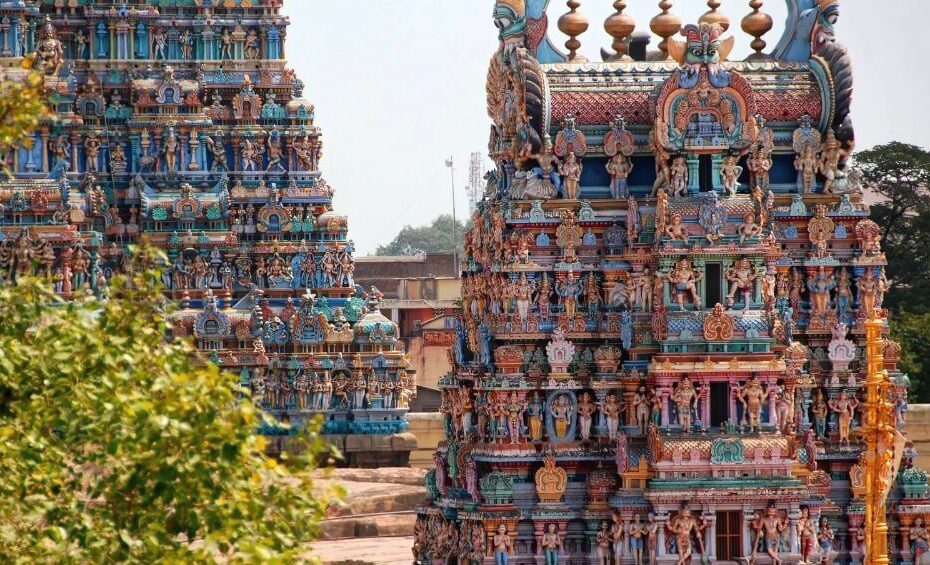
India is home to some of the largest and most architecturally significant temples in the world. These grand structures are not only places of worship but also marvels of ancient engineering, art, and architecture. Each temple stands as a testament to India’s rich cultural heritage, devotion, and the profound spiritual connection of its people. Here, we explore the biggest temples in India, each holding unique historical, architectural, and cultural significance.
1. Srirangam Ranganathaswamy Temple, Tamil Nadu
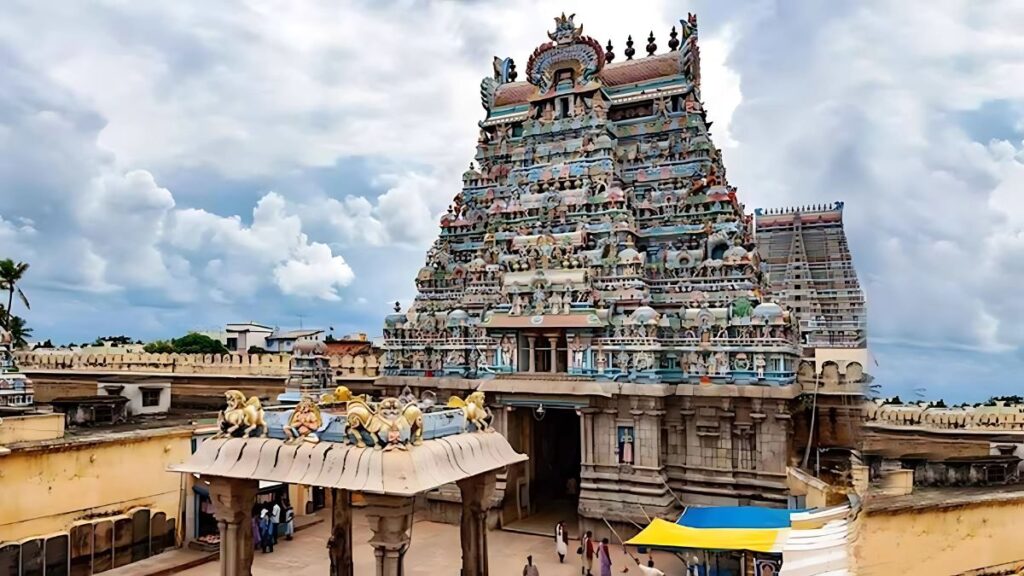
- Location: Srirangam, Tamil Nadu
- Area: 156 acres
Known as the largest functioning Hindu temple in the world, the Srirangam Ranganathaswamy Temple is dedicated to Lord Vishnu. Located on an island between the Kaveri and Kollidam rivers, the temple boasts seven enclosures, 21 towers, and a stunning 72-meter-high Rajagopuram (main entrance tower). The temple complex includes shrines, halls, and beautifully carved sculptures, making it a top pilgrimage site.
2. Akshardham Temple, Delhi
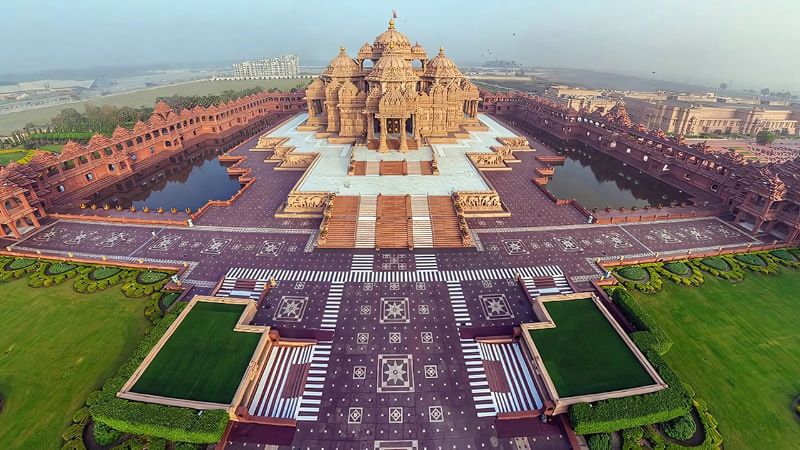
- Location: New Delhi
- Area: 100 acres
Akshardham Temple, or Swaminarayan Akshardham, is one of the largest Hindu temples globally and showcases India’s traditional and modern architectural prowess. Constructed with Rajasthani pink sandstone and Italian Carrara marble, the temple is dedicated to Lord Swaminarayan and includes an intricately carved central monument, a musical fountain, gardens, and a cultural boat ride, attracting millions of visitors annually.
3. Venkateswara Temple, Andhra Pradesh
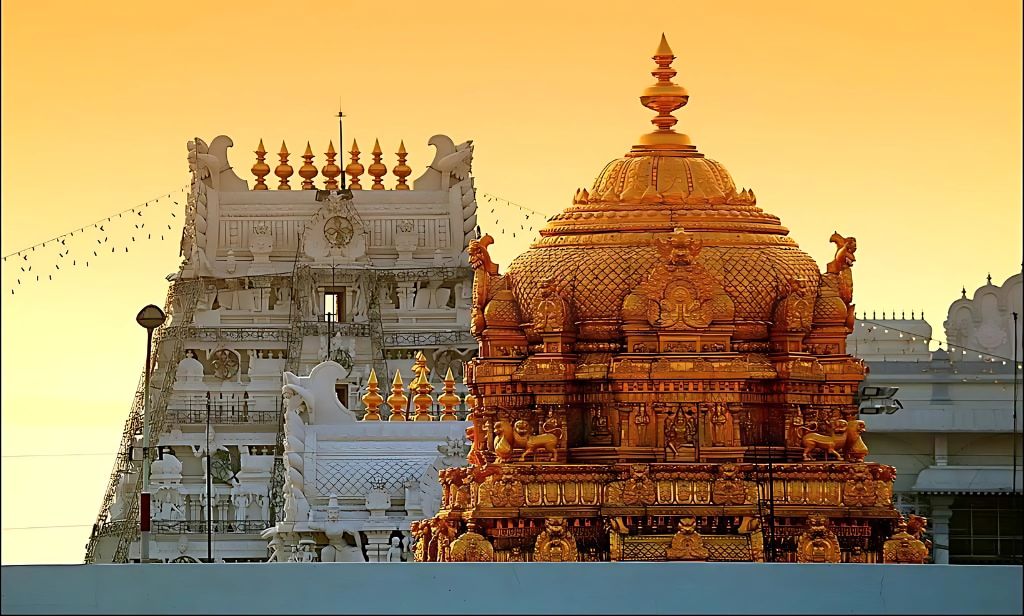
- Location: Tirumala, Andhra Pradesh
- Area: 26.8 acres
Also known as Tirupati Balaji Temple, this temple is dedicated to Lord Venkateswara, an incarnation of Lord Vishnu. Nestled on the Tirumala Hills, it is among the wealthiest temples in India due to the immense offerings from devotees worldwide. The complex includes multiple shrines, halls, and a sacred pond. The temple’s Dravidian-style architecture, with intricate carvings, continues to awe millions of pilgrims who visit each year.
4. Meenakshi Temple, Tamil Nadu
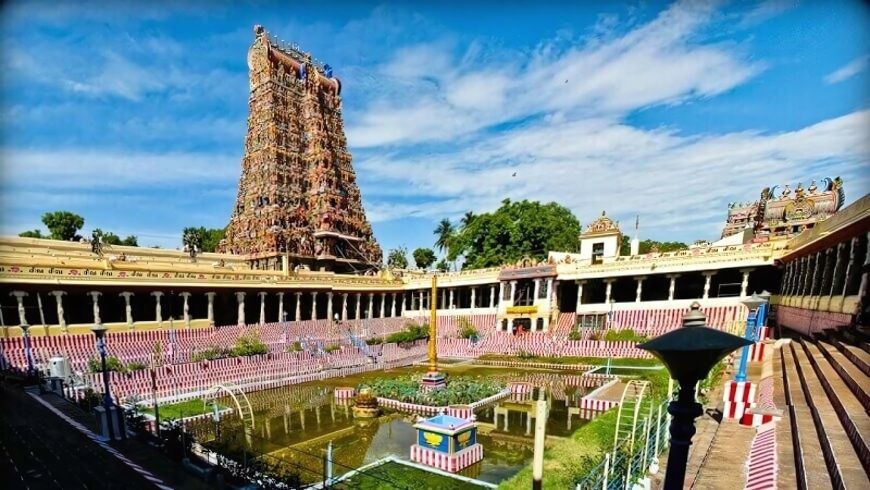
- Location: Madurai, Tamil Nadu
- Area: 17 acres
The Meenakshi Temple, dedicated to Goddess Meenakshi and Lord Sundareswarar (a form of Shiva), is an architectural masterpiece with its vibrant gopurams (towering gateways). The temple has 14 gopurams, with the tallest reaching over 170 feet, and a thousand-pillared hall decorated with ornate sculptures. The temple is an embodiment of the cultural heritage of Tamil Nadu and is a prominent pilgrimage and tourist attraction.
5. Jagannath Temple, Odisha
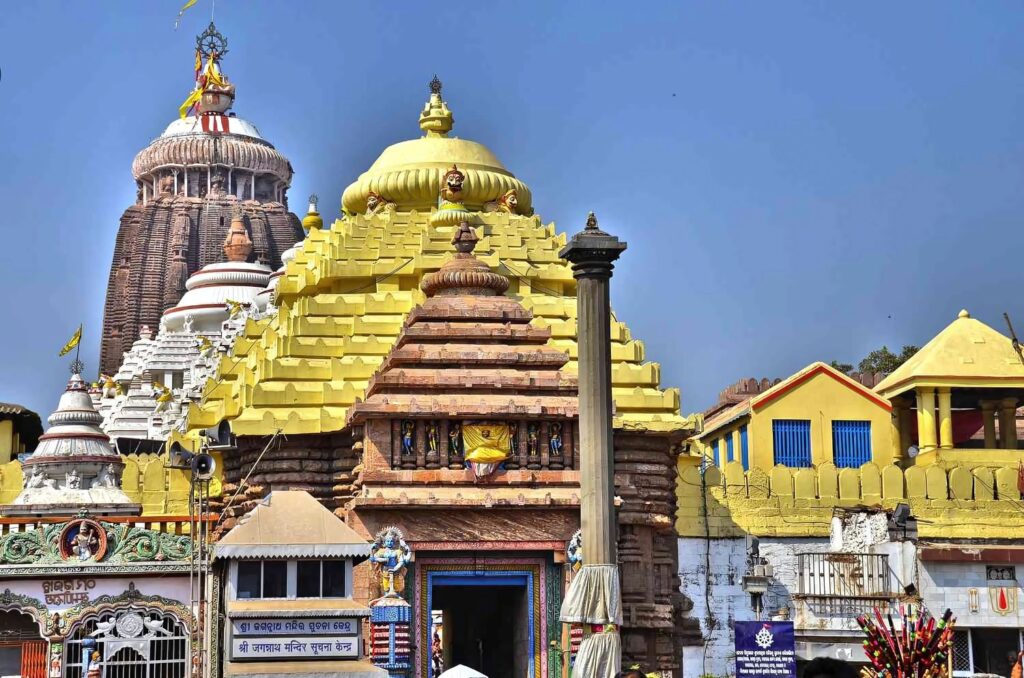
- Location: Puri, Odisha
- Area: 37,000 square meters
Famous for its annual Rath Yatra, the Jagannath Temple in Puri is dedicated to Lord Jagannath, a form of Lord Krishna. Built in the Kalinga style of architecture, the temple stands tall with its iconic spire and a unique flag that waves against the wind. The Jagannath Temple complex includes many shrines, and its architectural brilliance attracts pilgrims and history enthusiasts alike.
6. Golden Temple, Punjab
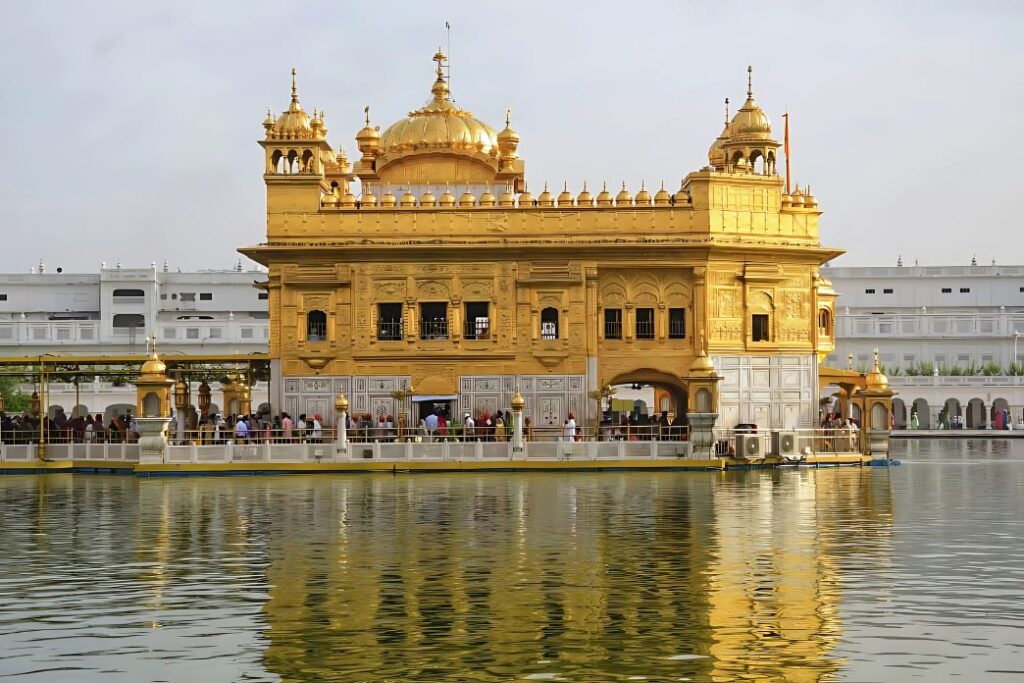
- Location: Amritsar, Punjab
- Area: 42 acres
Also known as Harmandir Sahib, the Golden Temple is a revered site for Sikhs and an architectural marvel. Surrounded by a large holy pond (Amrit Sarovar), the temple’s stunning gold-plated structure and the surrounding marble architecture make it one of the most beautiful temples in the world. The temple is known for its spiritual significance and the daily Langar, which serves meals to thousands of visitors.
7. Padmanabhaswamy Temple, Kerala
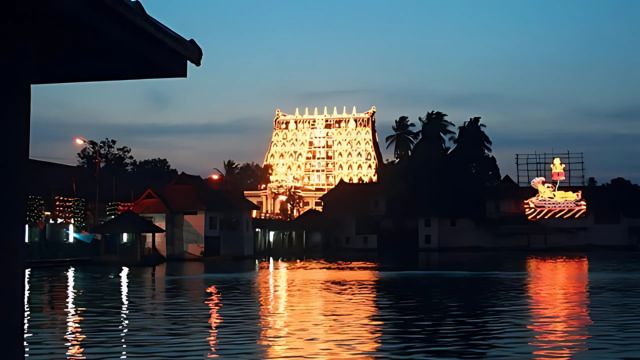
- Location: Thiruvananthapuram, Kerala
- Area: 7,000 square meters (inner sanctum)
The Padmanabhaswamy Temple, dedicated to Lord Vishnu, is famous for its wealth, hidden treasures, and magnificent architecture. Its Dravidian-style tower and elaborately carved stonework are complemented by its rich historical and spiritual significance. The temple’s treasure vaults contain invaluable relics, adding a mysterious allure to its cultural and spiritual essence.
8. Lingaraj Temple, Odisha
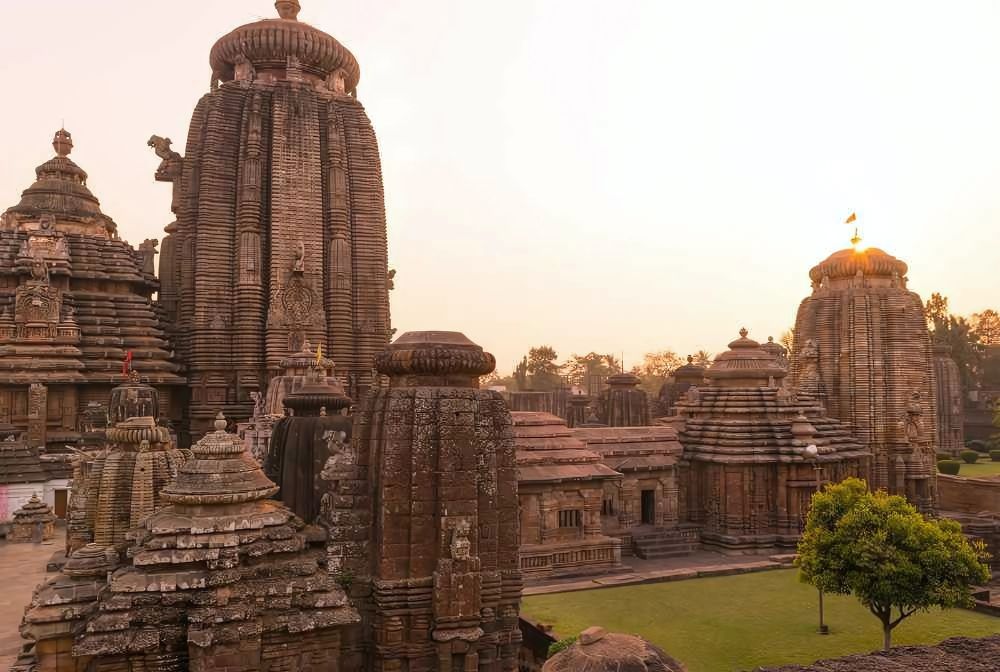
- Location: Bhubaneswar, Odisha
- Area: 2,500 square meters (main temple)
This ancient temple is dedicated to Lord Shiva and represents the Kalinga architectural style. The Lingaraj Temple is one of the largest temples in Odisha, with its grand spire towering at 180 feet. The temple complex houses 50 smaller shrines and is a significant pilgrimage site for devotees of Lord Shiva. The carvings and structure embody the unique historical architecture of Odisha.
9. Somnath Temple, Gujarat
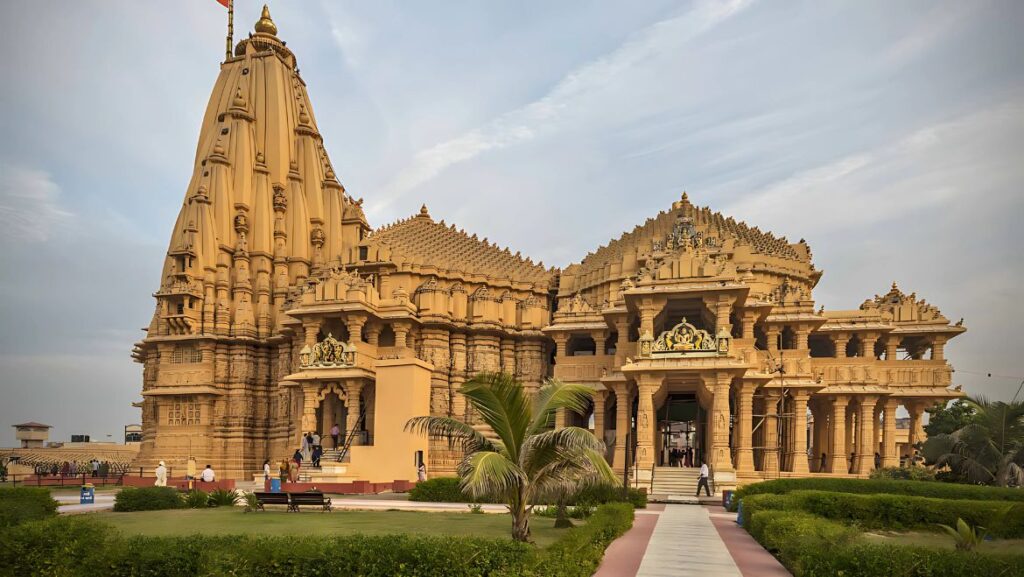
- Location: Prabhas Patan, Gujarat
- Area: 3,000 square meters
One of the twelve Jyotirlingas, the Somnath Temple is dedicated to Lord Shiva and holds a storied history of destruction and restoration. With its Chalukya-style architecture, the temple’s grandiose towers, intricate carvings, and seaside location attract devotees and history enthusiasts alike. The temple stands as a symbol of resilience and India’s spiritual heritage.
10. Ranakpur Jain Temple, Rajasthan
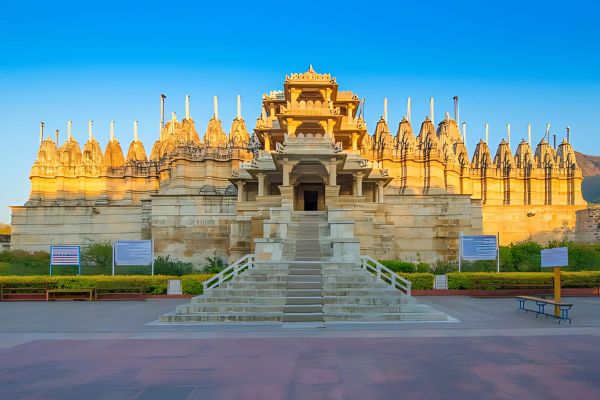
- Location: Ranakpur, Rajasthan
- Area: 48,000 square feet (main temple)
This Jain temple, dedicated to Tirthankara Adinatha, is a marvel of marble architecture. Known for its 1,444 intricately carved pillars, each with unique details, the temple is a testament to Jain artistry and devotion. Nestled in the Aravalli Range, the temple provides a peaceful sanctuary and is one of the most famous Jain temples in India.
Conclusion
The biggest temples of India showcase the country’s diverse religious traditions, awe-inspiring architecture, and profound spiritual depth. Each temple not only represents devotion but also stands as a testament to the artistic and cultural achievements of ancient India. Exploring these monumental temples is a journey through the spiritual and architectural heritage that has shaped India’s rich culture. Whether you are a devotee, history lover, or cultural enthusiast, visiting these temples offers an unforgettable experience of India’s timeless heritage.
For engaging astrology content, please follow us on Instagram.