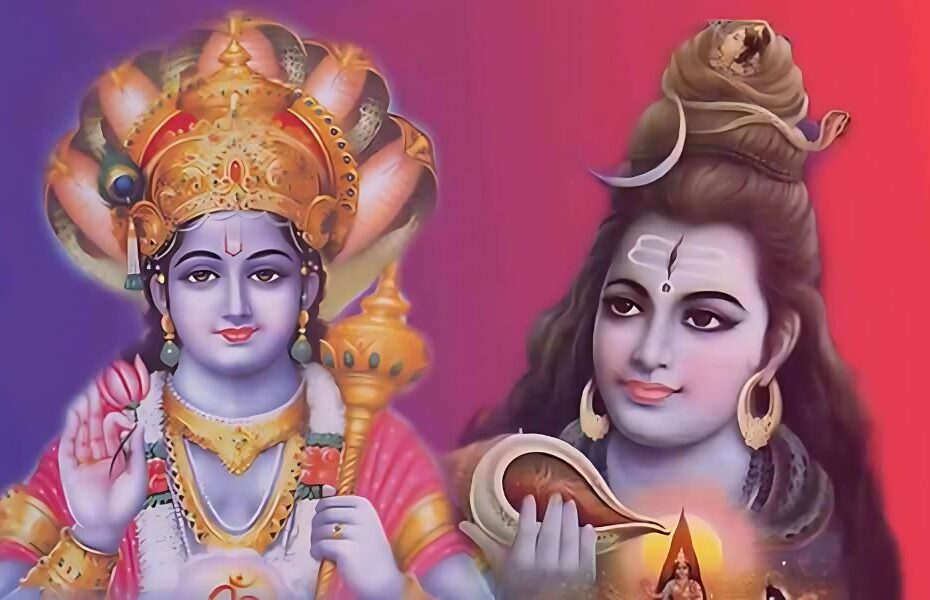
In the vast expanse of Hindu mythology, the relationship between Lord Vishnu and Lord Shiva is a fascinating topic that reflects the deep spiritual connections between different deities. Both deities are revered in their own right, with Vishnu known as the preserver of the universe and Shiva as the destroyer and transformer. This unique bond is not only significant in terms of their respective roles but also highlights the harmonious coexistence of different aspects of divinity.
Astrological Significance of Their Worship
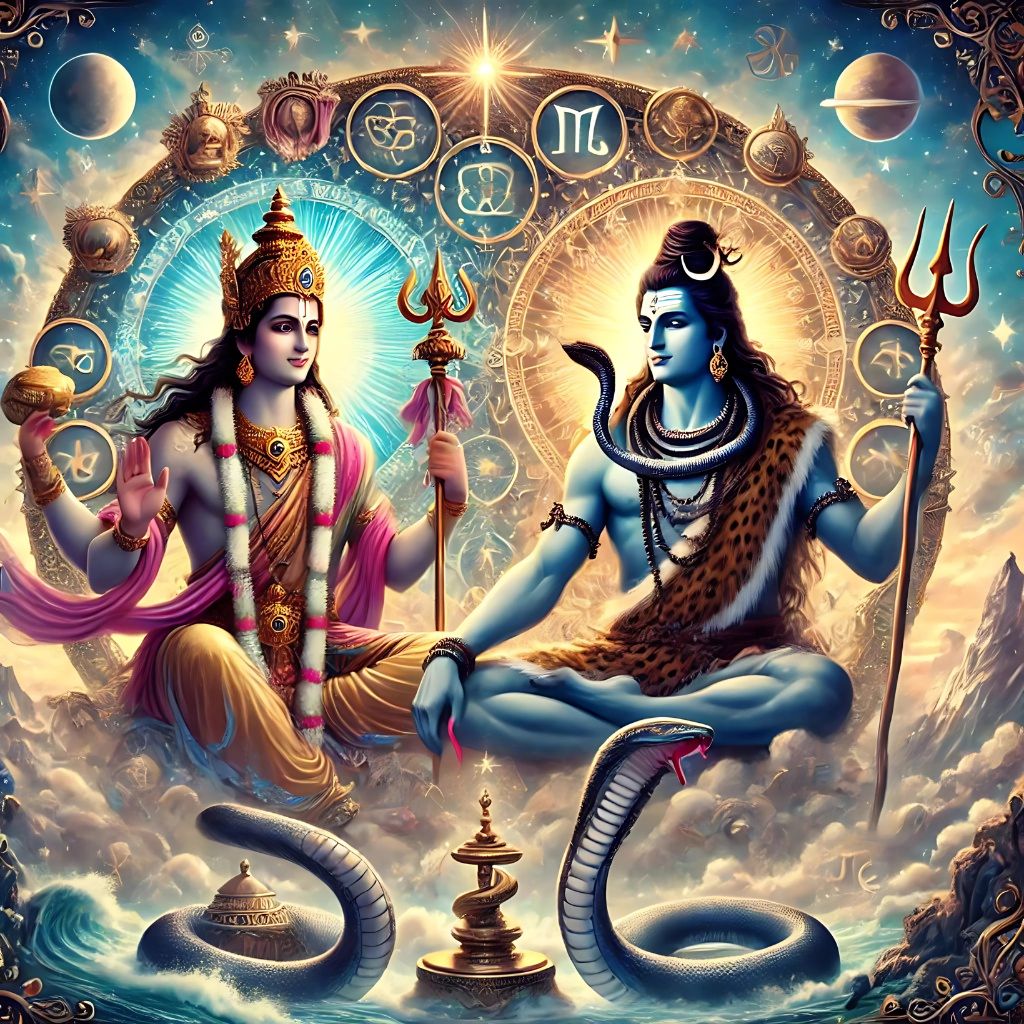
According to ज्योतिषशास्त्र (astrology), the energies associated with Lord Vishnu and Lord Shiva are complementary. While Lord Vishnu embodies preservation and balance, Lord Shiva represents transformation and destruction. This duality is essential for the cycle of creation, preservation, and dissolution, making their relationship vital to the cosmic order.
The worship of each other by Lord Vishnu and Lord Shiva demonstrates the concept of unity in diversity, reflecting the belief that all forms of divinity are interconnected. This relationship is essential in understanding the holistic nature of the universe, as expressed in many texts, including the Puranas and Upanishads.
Reasons for Their Mutual Worship
- Recognition of Divine Power: Both deities acknowledge each other’s divine qualities and powers. Lord Vishnu worships Lord Shiva to gain strength and wisdom, while Lord Shiva recognizes Vishnu’s role in maintaining cosmic balance.
- Complementary Roles: In the Hindu cosmology, the roles of Vishnu and Shiva are intertwined. Lord Vishnu sustains the universe, while Lord Shiva cleanses it through destruction, making their mutual worship a recognition of their interconnected duties in maintaining cosmic order.
- Demonstrating Humility: The act of worshiping each other signifies the humility that even divine beings possess. It teaches devotees that humility is a virtue regardless of one’s status, whether mortal or divine.
- Cultural Narratives: Various stories and mythological accounts highlight instances where Lord Vishnu and Lord Shiva worshiped each other. For example, in the tale of Vishnu’s incarnation as Vamana, he sought Shiva’s blessings to fulfill his purpose, showcasing their intertwined destinies.
- Philosophical Symbolism: The worship signifies the philosophical idea that both creation and destruction are necessary for the cycle of life. It reflects the teachings of Advaita (non-duality), suggesting that both Vishnu and Shiva are different manifestations of the same ultimate reality.
Astrology and Their Interconnectedness
From an astrological perspective, the worship between these two deities reflects the balance between various planetary energies. Lord Vishnu is often associated with Jupiter (Brihaspati), while Lord Shiva relates to Mars (Mangala). Their worship can symbolize the balance of wisdom and action, emphasizing that both are needed for a fulfilling life.
Conclusion
The worship of each other by Lord Vishnu and Lord Shiva is a profound expression of respect, humility, and understanding of their cosmic roles. It exemplifies the beauty of ज्योतिषशास्त्र and the intricate connections between different divine energies. As devotees, understanding this relationship encourages us to embrace the qualities of both preservation and transformation, leading to a more balanced and harmonious life.
For engaging astrology content, please follow us on Instagram.