
Asteroids have always sparked both wonder and fear, particularly when one comes close to Earth. Among these cosmic travelers, “Asteroid OK” captured significant attention due to its proximity and size. But could it truly end civilization as we know it? In this blog, we’ll delve into the science behind asteroid threats, including how Asteroid OK fits into the picture, and explore the role of astrology in understanding cosmic impacts on our world.
What Is Asteroid OK?
Asteroid 2019 OK, commonly referred to as “Asteroid OK,” came alarmingly close to Earth in July 2019, sparking concerns about its potential to cause widespread destruction. Measuring around 100 meters in diameter, this asteroid zipped past Earth at a distance of just 45,000 miles (73,000 kilometers)—closer than the Moon’s orbit. It was discovered only days before its flyby, leading many to question whether Earth is truly prepared for such cosmic threats.
Could an Asteroid Really End Civilization?
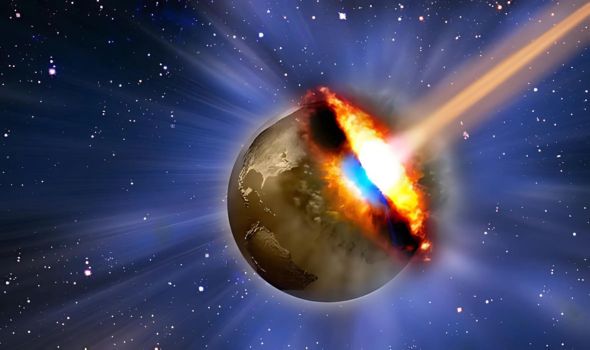
When we think of asteroid impacts, the image of dinosaurs wiped out by a massive celestial body often comes to mind. Around 66 million years ago, a 10-kilometer asteroid collided with Earth, triggering mass extinctions. While Asteroid OK is much smaller, even a modestly sized asteroid could cause catastrophic damage, depending on where it lands.
Here are some scenarios of how an asteroid could impact civilization:
- Tsunamis: If an asteroid crashes into the ocean, the resulting impact could generate tsunamis, flooding coastal cities and disrupting ecosystems.
- Shockwaves: Upon entering the atmosphere, asteroids create intense heat and shockwaves. A large enough asteroid could destroy entire cities, as was the case with the Tunguska event in 1908, where a smaller asteroid flattened 2,000 square kilometers of Siberian forest.
- Climate Change: Dust and debris thrown into the atmosphere by an asteroid impact could block sunlight, leading to a “nuclear winter” scenario, disrupting agriculture and ecosystems.
While an asteroid of Asteroid OK’s size might not end civilization outright, a direct hit on a densely populated area could cause severe loss of life and infrastructure damage, pushing societies toward collapse.
Astrological Perspective on Asteroids and Cosmic Catastrophes
Astrology offers a unique way of interpreting cosmic events, including asteroids. According to astrology, asteroids can influence human consciousness, and their proximity to Earth may correspond to major life events or societal shifts.
Asteroids like Chiron, Ceres, Pallas, and Juno are significant in astrology, symbolizing different aspects of human experience, from healing and nurturing to strategy and partnership. Astrologers often study the positions of these celestial bodies to gain insights into global events, personal transformation, and collective energy shifts.
Asteroid OK’s sudden appearance and close flyby could be seen as a cosmic signal, urging humanity to pay attention to its actions, especially regarding environmental stewardship and preparedness for natural disasters. Astrologers might interpret this near-miss as a wake-up call for humanity to realign with nature and cosmic cycles.
NASA’s Planetary Defense: Are We Ready for an Asteroid Impact?
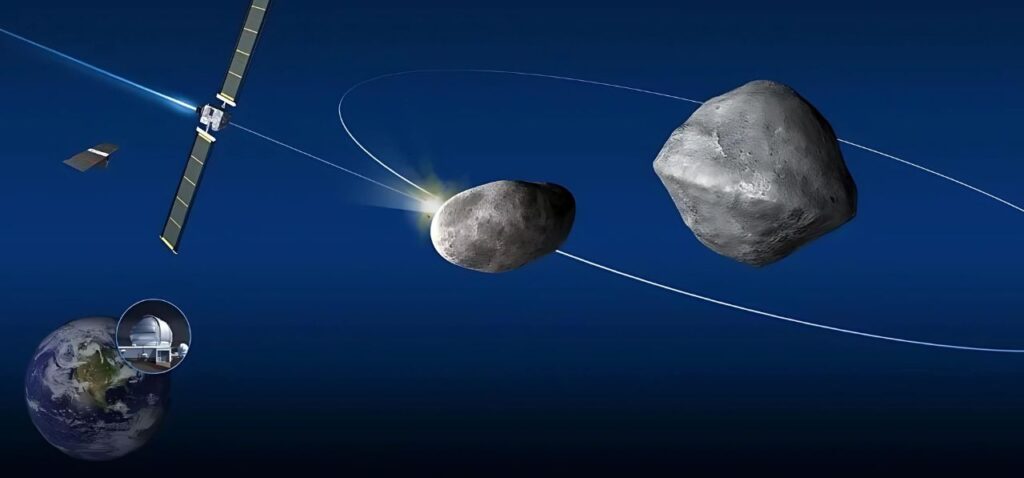
Asteroid OK’s close encounter highlights a key question: Is Earth prepared for such potential threats? NASA and other space agencies have planetary defense programs aimed at tracking near-Earth objects (NEOs) and developing strategies to mitigate possible impacts.
DART Mission: NASA’s Double Asteroid Redirection Test (DART) mission aims to deflect potentially hazardous asteroids. The plan is to alter an asteroid’s trajectory by crashing a spacecraft into it—a strategy that, if successful, could be used to prevent a future asteroid impact on Earth.
NEO Surveillance: NASA’s Center for Near-Earth Object Studies (CNEOS) continually monitors the skies for NEOs that could pose a threat to our planet. However, as Asteroid OK demonstrated, not all NEOs are detected far in advance.
The Role of Astrology in Predicting Catastrophes
While astrology isn’t a substitute for scientific research, many people turn to it for insight into global crises and cosmic cycles. Some astrologers believe that significant celestial events, such as asteroid flybys or planetary alignments, can be indicators of transformative periods in human history.
For example:
- Eclipses: Eclipses, especially total solar eclipses, are often seen as harbingers of change, signaling shifts in political power, economic structures, or environmental conditions.
- Planetary Retrogrades: When planets appear to move backward (retrograde) in the sky, they are thought to disrupt areas of life governed by those planets. For instance, Mercury retrograde is notorious for communication issues, technology malfunctions, and travel delays.
Astrologers may look at the charts of upcoming planetary transits and asteroid movements to identify possible disruptions or challenges humanity might face. Whether you believe in astrology or not, examining cosmic influences can offer a broader perspective on how we relate to the universe and our place in it.
Conclusion: What Can We Learn from Asteroid OK?
Asteroid OK serves as a reminder of the fragility of life on Earth and the unpredictable nature of the cosmos. While the asteroid passed us by this time, it’s essential to consider the potential risks that such celestial bodies pose to our planet. Science and astrology both offer valuable insights into understanding these cosmic events—one through empirical data and the other through symbolic interpretation.
At AstroCulture, we explore the mysteries of the cosmos and their impact on humanity. Whether you’re seeking astrological guidance or scientific insights, our resources provide you with a holistic view of the universe. Stay informed, stay curious, and remember: the stars and planets may hold more sway over our lives than we realize.
For engaging astrology content, please follow us on Instagram.