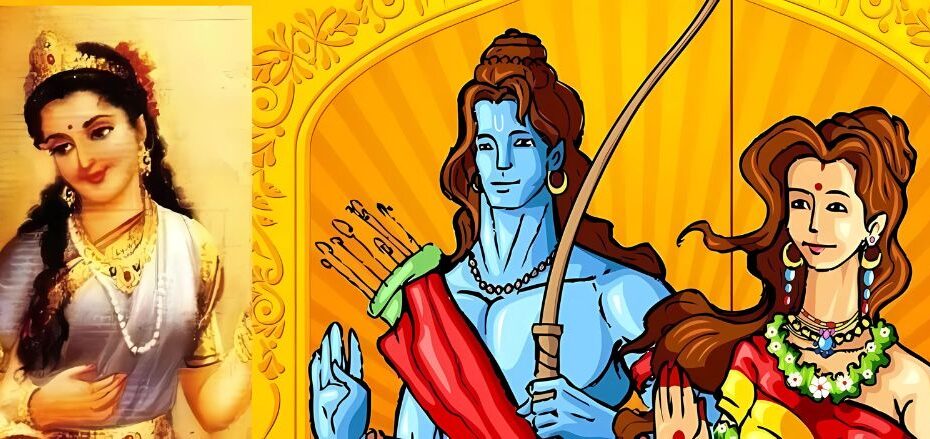
In the epic tale of the Ramayana, Lord Ram, the seventh incarnation of Lord Vishnu, is renowned for his virtues, devotion, and the heroic deeds he performed throughout his life. While many are familiar with the major characters of the Ramayana—like Sita, Lakshman, Bharat, and Hanuman—few people know about Shanta, the sister of Sri Ram. Let’s dive into her fascinating yet lesser-known story and uncover her significance.
Shanta: The Forgotten Princess
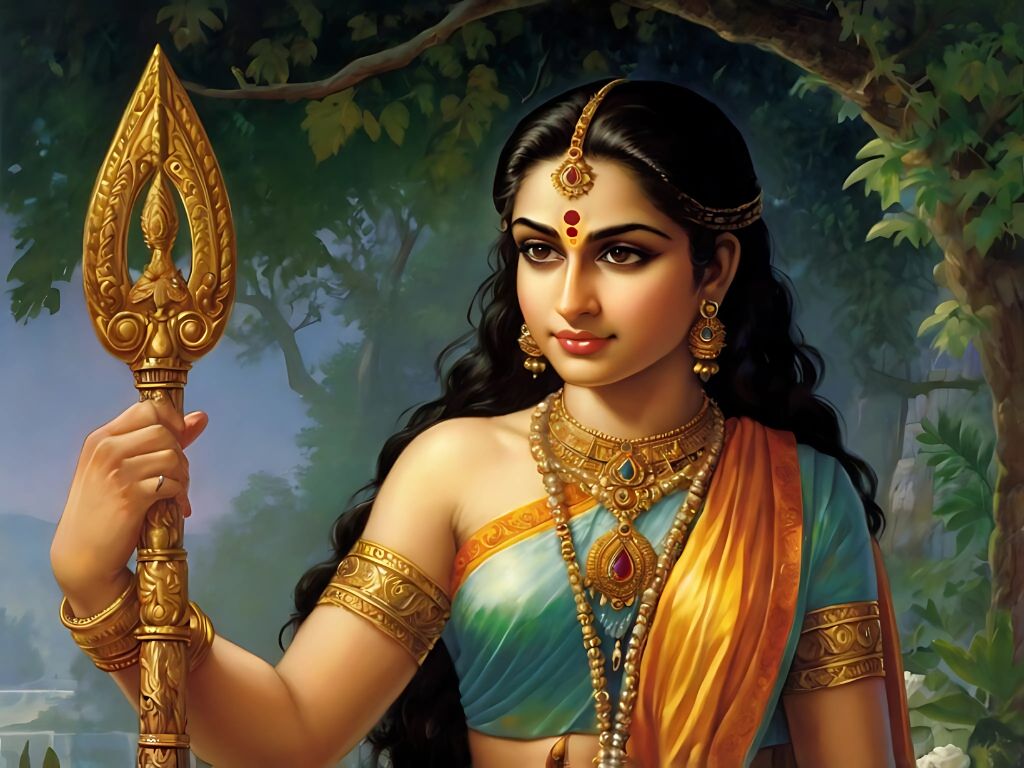
Shanta was the elder sister of Sri Ram and the daughter of King Dasharatha and Queen Kaushalya. Born before Ram, Lakshman, Bharat, and Shatrughna, Shanta holds an important place in the royal lineage of Ayodhya. However, her story remains largely untold in mainstream versions of the Ramayana.
According to many ancient texts, Shanta was given in adoption to King Romapada of Anga, a close friend of Dasharatha, due to the absence of heirs in his lineage. She was raised with love and care in the royal household of Anga, where she grew up to become a virtuous and wise princess.
The Role of Shanta in Ramayana
Shanta’s life significantly influenced the course of the Ramayana, albeit indirectly. One of the key moments in the epic is the Ashwamedha Yajna, a grand sacrifice that Dasharatha performed in order to be blessed with sons. It was Shanta’s husband, Rishi Rishyashringa, a highly revered sage, who presided over the yajna. His powerful rituals played a crucial role in the birth of Ram and his brothers.
Thus, while Shanta herself does not appear in the core narrative of the Ramayana, her indirect influence shaped the destiny of Ayodhya and the royal family.
The Spiritual Significance of Shanta
Shanta is often regarded as a symbol of sacrifice and dharma. Despite being the eldest child of Dasharatha, she was given away in adoption, showing how her life was one of silent service and duty. She represents the spiritual value of renunciation, often regarded as an ideal trait in Vedic culture.
Conclusion
While Shanta’s story remains overshadowed by the more prominent figures of the Ramayana, her contribution to the lineage and her role in the Ashwamedha Yajna make her an important character in Lord Ram’s life. Her story serves as a reminder of the silent sacrifices made by lesser-known characters in ancient epics.
For engaging astrology content, please follow us on Instagram.