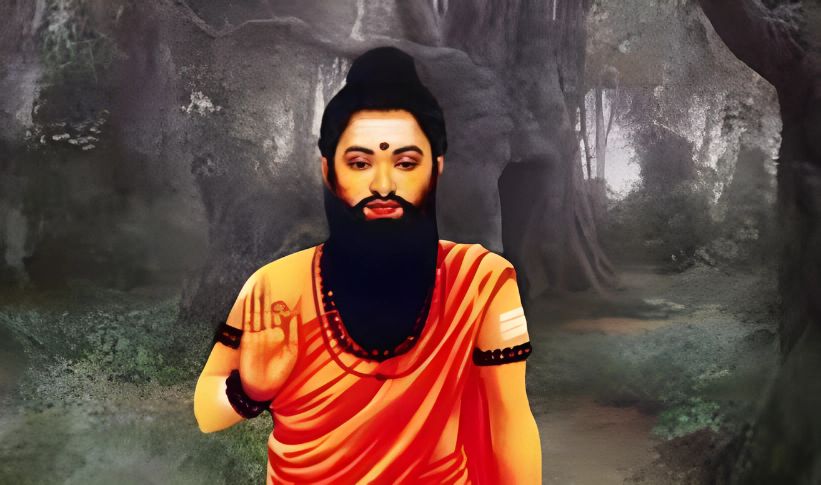
The Brahmin community, renowned as the intellectual and priestly class in Hindu society, is both ancient and diverse. This exploration will delve into the different Brahmin sects across India and their historical hierarchy. We’ll also discuss the concept of “highest” in this context, as Brahmin sects were traditionally aligned with diverse spiritual, cultural, and regional practices rather than a strict hierarchical ranking. So, what defines the “highest” Brahmin sect?
Origins of the Brahmin Caste and Sects
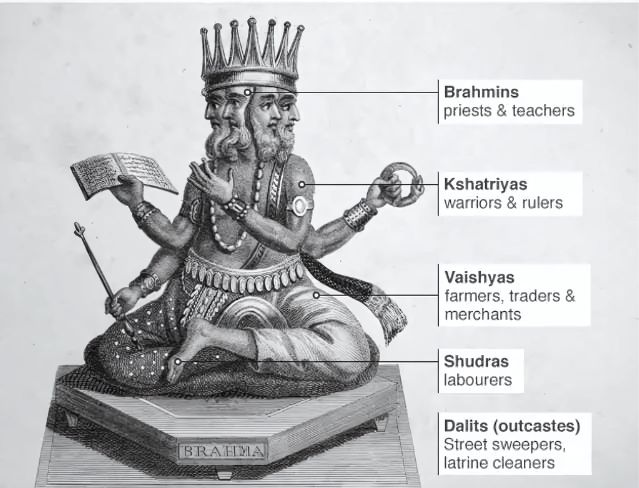
In Hindu society, Brahmins were designated as the highest caste among the four varnas, their roles historically centered on spirituality, education, and rituals. Brahmin communities evolved and diversified due to regional, linguistic, and philosophical influences, leading to the formation of various Brahmin sects. Each sect has its unique customs, deities, rituals, and even sub-castes.
What Defines the “Highest” Brahmin Sect?
To understand the concept of the “highest” Brahmin sect, one must consider several factors:
- Spiritual Authority: Sects associated with well-known religious figures or texts may hold higher spiritual authority.
- Influence: Some sects have had a more significant influence on society, culture, and religious practices.
- Traditional Roles: Certain sects have preserved their ritualistic responsibilities more rigorously than others.
Let’s explore some prominent Brahmin sects across India, each with its own revered status and traditions.
Key Brahmin Sects in India
1. Saraswat Brahmins
- Region: Primarily found in western coastal India, particularly in Maharashtra, Goa, and Karnataka.
- Language: Konkani, Marathi, and Kannada.
- Spiritual Contributions: Known for their intellectual contributions to Hindu philosophy, Saraswat Brahmins are linked with prominent ancient scholars.
- Highest Ranking Claim: Saraswat Brahmins are highly respected for their scholastic pursuits and significant contributions to Hindu philosophy.
2. Gaur Brahmins
- Region: Primarily in North India, particularly in Haryana, Punjab, Rajasthan, and Uttar Pradesh.
- Sub-sects: Includes Purbiya Gaurs, Gujarati Gaurs, and others.
- Language: Predominantly Hindi, Punjabi, and Gujarati.
- Traditional Roles: Gaurs are traditionally priests and religious scholars and have been known for their adherence to Vedic practices.
- Claim to Authority: Known as one of the oldest Brahmin sects, Gaurs are highly respected in Vedic traditions.
3. Iyer and Iyengar Brahmins
- Region: Primarily in Tamil Nadu.
- Sub-divisions: Iyers are followers of the Smarta tradition, while Iyengars follow the Srivaishnavism tradition.
- Language: Tamil.
- Spiritual Alignment: Iyengars are known for their devotion to Vishnu and strict adherence to Vaishnavism, while Iyers follow the Smarta tradition, worshipping multiple deities.
- Significance: Both sects hold high regard within South India, with Iyengars considered unique due to their distinct Vaishnava philosophy.
4. Deshastha Brahmins
- Region: Predominantly in Maharashtra and parts of Karnataka.
- Sub-divisions: Includes Rigvedi and Yajurvedi Deshasthas.
- Language: Primarily Marathi and Kannada.
- Ritual Significance: Deshasthas are known for their strict adherence to Vedic rituals and scriptures, particularly the Rig Veda and Yajur Veda.
- Historical Relevance: They have been influential in Maratha politics and are considered the “highest” Brahmin sect in Maharashtra.
5. Namboothiri Brahmins
- Region: Primarily in Kerala.
- Language: Malayalam.
- Ritual Significance: Known for strict adherence to Vedic rites, Namboothiris were traditionally the only Brahmins allowed to perform certain temple rituals in Kerala.
- Claim to Prestige: As the earliest settlers in Kerala, they have a strong claim to historical prominence, making them highly revered in the region.
6. Madhva Brahmins
- Region: Found mainly in Karnataka.
- Language: Kannada.
- Philosophy: Followers of Dvaita Vedanta, founded by Madhvacharya, they emphasize devotion to Vishnu.
- Distinguishing Factor: Their Dvaita (dualistic) philosophy distinguishes them within the Brahmin community, making them prominent in Karnataka’s religious circles.
Ranking the Sects: Is There a “Highest” Brahmin Sect?
Historically, no single Brahmin sect has universally been declared the “highest.” Instead, sects are often recognized based on their influence within their respective regions or spiritual contributions. Here are some factors that people consider when identifying the “highest” Brahmin sect:
- Vedic Adherence: Some sects claim superiority due to their strict adherence to Vedic texts and rituals, such as Namboothiri Brahmins.
- Intellectual and Spiritual Contributions: Saraswat Brahmins and Gaur Brahmins, known for their intellectual and spiritual contributions, are revered as “high” sects.
- Unique Philosophical Perspectives: Madhva and Iyengar Brahmins, with distinct philosophies, are sometimes regarded as more influential.
Differences in Regional Perception of “Highest” Brahmin Sects
In Northern India, Gaur Brahmins are highly esteemed due to their ancestral knowledge of Vedic scriptures. Similarly, in South India, the Iyer and Iyengar sects hold prominent positions, while in Maharashtra, Deshastha Brahmins are particularly respected. Thus, perceptions of hierarchy are often region-specific, with local histories and cultures playing a significant role.
Conclusion: The Diversity and Prestige of Brahmin Sects
The Brahmin caste, with its diverse sects and regional distinctions, has no universal hierarchy. Instead, each sect is unique, contributing significantly to Hinduism’s religious, spiritual, and cultural landscape. From Saraswat scholars to the ritual-bound Namboothiris and the philosophically inclined Iyengars, each sect has its own unique qualities that make it “highest” in different respects.
For engaging astrology content, please follow us on Instagram.