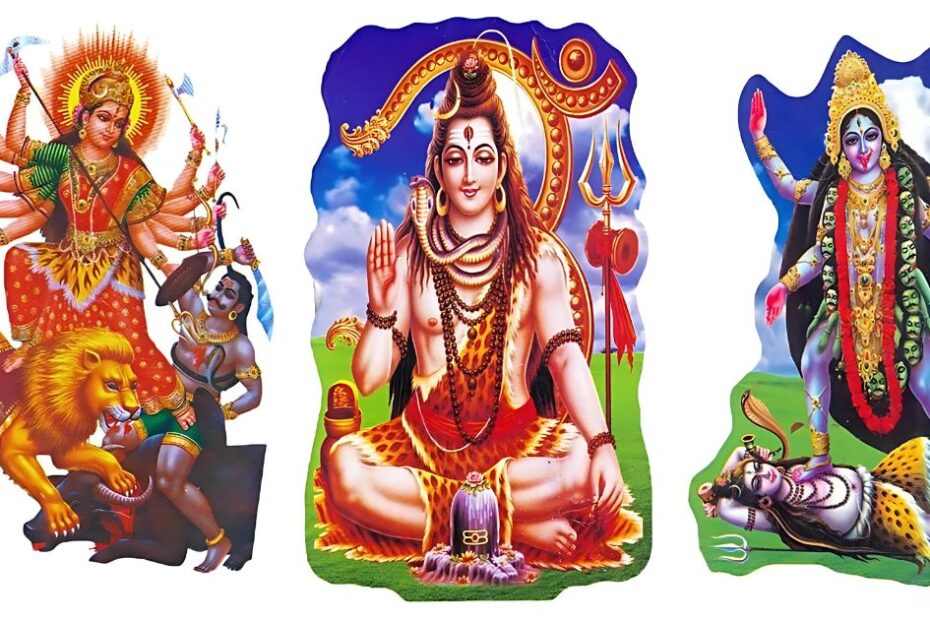
In Hinduism, Devi, Shakti, and Kali represent powerful feminine forces that hold great spiritual and mythological significance. While often used interchangeably, each of these terms has a unique meaning and role within the pantheon. Here’s a closer look at how Devi, Shakti, and Kali differ in symbolism, significance, and purpose.
1. Devi: The Divine Mother
The word “Devi” is a Sanskrit term meaning “goddess” and embodies the divine feminine. Devi is often seen as a universal mother figure who encompasses a variety of forms and attributes. The concept of Devi extends beyond a single deity; she is the collective manifestation of all goddesses in Hinduism, representing abundance, wisdom, fertility, and compassion. Prominent forms of Devi include Saraswati (goddess of knowledge), Lakshmi (goddess of wealth), and Durga (the warrior goddess). She nurtures the world, and her compassionate nature makes her a beloved figure across many regions of India.
SEO Focus Keywords: Devi meaning, Divine Mother, goddess of knowledge, goddess of wealth.
2. Shakti: The Ultimate Cosmic Power
Shakti, meaning “power” or “energy,” is the life force that empowers the universe and is at the core of all existence. As a concept, Shakti transcends the physical form, representing the feminine power and the cosmic energy that sustains and drives the universe. In Hinduism, Shakti is the counterpart to Purusha, or pure consciousness, and together they create the dynamics of life. Shakti is also personified in multiple goddesses, especially in her manifestations as Parvati, Lakshmi, and Saraswati. Importantly, she is also the energy that powers the trinity of Brahma (creation), Vishnu (sustenance), and Shiva (destruction).
SEO Focus Keywords: Shakti meaning, cosmic power, divine energy, feminine energy in Hinduism.
3. Kali: The Fierce Protector
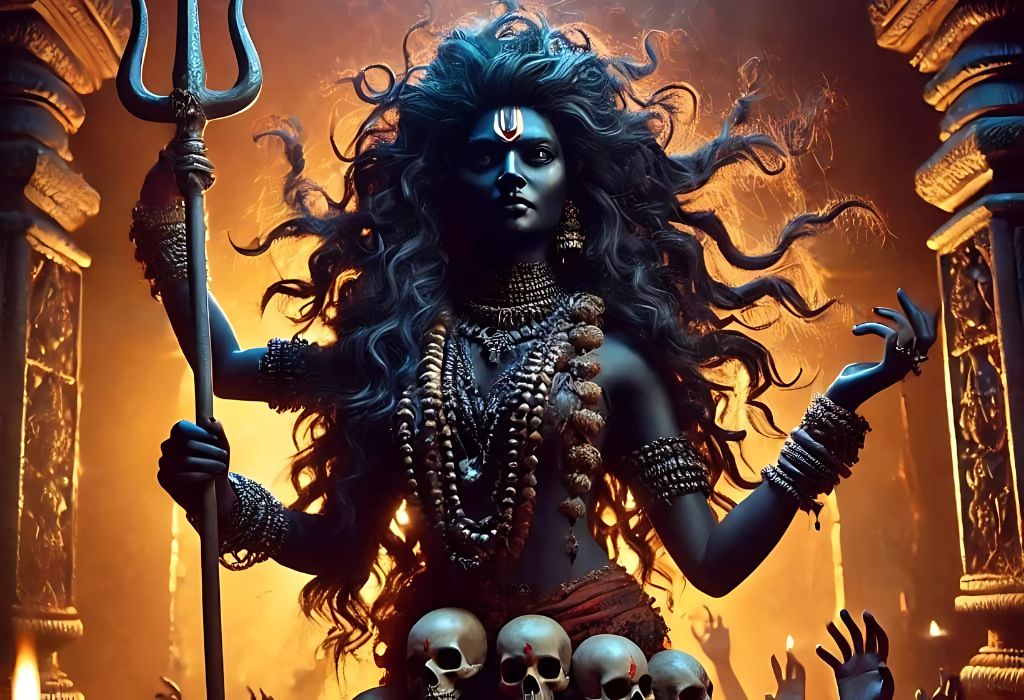
Kali, a powerful aspect of Shakti, symbolizes transformation and liberation. She represents the fierce and destructive form of the goddess, embodying the power to eradicate evil, ignorance, and ego. Unlike the nurturing aspects of Devi, Kali’s appearance is dark and intense, with a garland of skulls, her tongue outstretched, and a stance ready for battle. Her terrifying image signifies her role as a destroyer of negativity and a protector of righteousness. In spiritual contexts, Kali also symbolizes the dissolution of the ego, leading to true liberation and enlightenment.
SEO Focus Keywords: Kali meaning, goddess of destruction, protector goddess, Kali’s role in Hinduism.
Differences Between Devi, Shakti, and Kali
| Aspect | Devi | Shakti | Kali |
|---|---|---|---|
| Representation | Universal Divine Mother | Cosmic Energy | Fierce Protector and Transformer |
| Role | Nurturing and compassionate | Source of all energy | Destruction of negativity and liberation |
| Forms | Many (Saraswati, Lakshmi, Durga) | Embodied in goddesses, especially Parvati | Specific to Kali, but also Durga in some forms |
| Symbolism | Compassion, wisdom, and fertility | Feminine power in its purest form | Transformation, ego dissolution, protection |
| Personality | Gentle and maternal | Neutral and omnipresent | Fierce, protective, and transformative |
Why Do Devi, Shakti, and Kali Matter?
Each aspect—Devi, Shakti, and Kali—reveals different dimensions of the divine feminine and its influence in the cosmos. While Devi provides comfort, nurturing, and protection, Shakti is the driving force behind all creation. Kali represents the intensity of transformation, ensuring balance by destroying ignorance and protecting the devoted. These deities reflect the diverse roles that feminine energy plays in the universe, offering devotees a unique and powerful path to spiritual growth.
Conclusion
Understanding the nuances between Devi, Shakti, and Kali enriches our appreciation of Hindu mythology, showcasing the multifaceted roles of feminine divinity. While Devi is the maternal figure embodying the collective goddess, Shakti represents the ultimate life force, and Kali is the fierce protector and liberator. Through their symbolism, these deities guide followers on a spiritual journey, highlighting the importance of compassion, power, and transformation in the cycle of life.
For engaging astrology content, please follow us on Instagram.