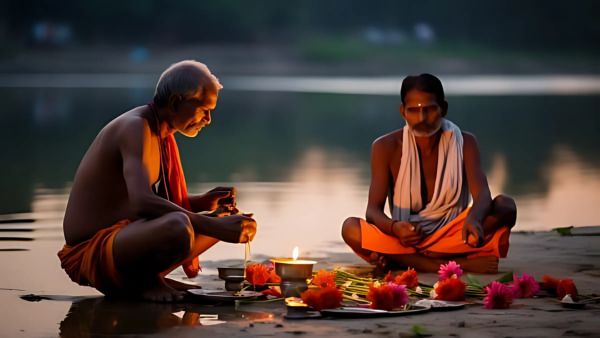
Pind Daan is a significant Hindu ritual performed to honor and offer peace to the souls of ancestors. Bodh Gaya, a sacred place in Bihar, holds immense spiritual importance for this ritual. Every year, thousands of devotees visit this holy site to perform Pind Daan to ensure that their ancestors’ souls attain moksha (liberation).
What is Pind Daan?
Pind Daan is a ritual offering to deceased ancestors to bring peace to their souls. It is believed to free the spirits from the cycle of birth and death and grant them a higher position in their afterlife. The ritual is deeply rooted in Sanatan Dharma, with references in the Garuda Purana and other sacred texts.
Why Perform Pind Daan at Bodh Gaya?
Bodh Gaya is not only a Buddhist pilgrimage site but also one of the key destinations for performing Pind Daan. According to Hindu mythology, Lord Vishnu blessed this land, making it an auspicious place to perform rituals for the salvation of ancestors. Many believe that performing Pind Daan here helps ancestors achieve eternal peace.
Key Rituals Involved in Pind Daan at Bodh Gaya
Here are the important steps and rituals involved in performing Pind Daan at Bodh Gaya:
- Tarpan (Offering Water)
The ritual begins with offering water mixed with black sesame seeds to the departed souls. Tarpan is considered the act of quenching the thirst of the souls. Devotees offer water while chanting mantras to invoke the ancestors. - Pind Pradan (Offering Rice Balls)
The main part of the Pind Daan involves offering “Pind,” which are rice balls mixed with sesame seeds, barley flour, and ghee. The Pind symbolizes the body of the deceased and is offered to represent the soul’s journey to the afterlife. - Pitra Tirtha Darshan
After offering the Pind, devotees visit the sacred water bodies near Bodh Gaya, especially Phalgu River, where they immerse the rice balls. This act symbolizes the merging of the soul with the divine. Many devotees also visit the Vishnupad Temple, a revered site, to seek blessings for their ancestors. - Shraadh (Homage to Ancestors)
The Shraadh ceremony involves performing rituals with food offerings to Brahmins and the poor. It is believed that feeding Brahmins is equivalent to feeding the ancestors themselves. This act of giving charity is vital for the completion of the Pind Daan. - Pind Daan Mantras
Throughout the Pind Daan, mantras play an essential role. These sacred chants are recited by priests to invoke the blessings of the gods and to ensure that the offerings reach the ancestors. - Donations and Offerings
After the ritual, devotees often donate clothes, food, and money to the poor, Brahmins, and priests as a mark of gratitude and for the well-being of their ancestors in their afterlife.
Best Time to Perform Pind Daan
The Pitru Paksha period, typically falling between September and October, is considered the most auspicious time to perform Pind Daan at Bodh Gaya. During this time, the connection between the living and the dead is said to be stronger, making it an ideal period for ancestral rites.
Conclusion
Performing Pind Daan at Bodh Gaya holds deep spiritual significance for many Hindu families. The ritual offers peace and liberation to the departed souls, helping them break free from the cycle of rebirth. By following these ancient practices, families can honor their ancestors and ensure their spiritual well-being.
Whether it is the chanting of mantras, offering rice balls, or immersing the Pind in the holy Phalgu River, each step of the ritual is a meaningful act of devotion that strengthens the bond between the past and the present.
For engaging astrology content, please follow us on Instagram.