
Tulsi, also known as Holy Basil, has been revered for centuries as a sacred plant in various cultures. While its roots are deeply entrenched in Indian traditions, particularly in Ayurveda and Hinduism, there are intriguing connections to Christian heritage that have sparked curiosity. Is Tulsi merely an Indian remedy, or does it hold a place in Christian symbolism as well? Let’s explore its historical, spiritual, and medicinal significance to uncover the truth.
Tulsi in Indian Traditions
Ayurvedic Healing and Medicinal Benefits
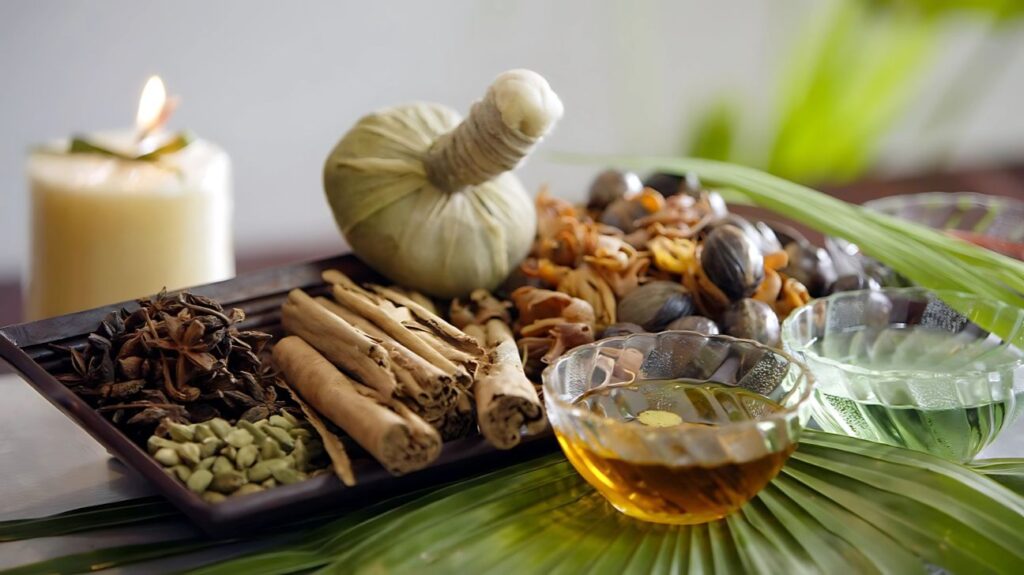
Tulsi is hailed as the “Queen of Herbs” in Ayurveda for its unparalleled health benefits. Known for its ability to balance the body’s doshas (Vata, Pitta, and Kapha), it is used to treat ailments like:
- Respiratory Issues: Effective in managing colds, coughs, and bronchitis.
- Stress Reduction: Its adaptogenic properties help combat stress and anxiety.
- Immune Support: Rich in antioxidants, Tulsi boosts immunity and detoxifies the body.
Its role in Indian households extends beyond health. Many families grow Tulsi as a sacred plant, believing it purifies the environment and attracts positive energy.
Spiritual Significance
In Hindu culture, Tulsi is revered as a manifestation of Goddess Lakshmi, the consort of Lord Vishnu. The Tulsi Vivah, a ceremonial marriage of the plant to Lord Vishnu, signifies the onset of the wedding season in India. Daily worship of Tulsi is believed to bring peace, prosperity, and protection to the household.
Tulsi and Christian Heritage

The Holy Basil Connection
In Christianity, Tulsi is often referred to as Holy Basil, but its role is less widespread compared to its prominence in Indian traditions. Early Christian missionaries in India were fascinated by the plant’s spiritual and medicinal attributes, associating it with sacredness and healing.
Some Christian scholars argue that Tulsi was seen as a symbol of purity and holiness, akin to the olive branch in Mediterranean traditions. Its aromatic leaves were used in rituals and ceremonies to symbolize blessings and spiritual cleansing.
Tulsi in Christian Folklore
In some interpretations, Tulsi is connected to the legend of the Holy Cross. According to folklore, Tulsi plants were said to grow at the site where Christ’s blood fell during the crucifixion, signifying its sacred status. While these stories are more symbolic than historical, they highlight the plant’s spiritual allure across cultures.
A Shared Heritage?
Tulsi’s dual identity as both an Indian remedy and a symbol of Christian heritage underscores its universal appeal. In Indian traditions, it represents health, spirituality, and divine protection, while in Christian contexts, it embodies purity and healing.
Key Overlaps:
- Spiritual Healing: Both traditions view Tulsi as a plant with divine properties.
- Medicinal Value: Its therapeutic benefits are recognized globally, bridging cultures.
- Symbolism of Purity: Whether in Hindu rituals or Christian folklore, Tulsi signifies sanctity.
Modern Relevance of Tulsi
Today, Tulsi is celebrated worldwide for its health benefits and spiritual significance. Its use in herbal teas, essential oils, and natural remedies has made it a staple in wellness practices. From ancient Ayurvedic texts to modern holistic therapies, Tulsi continues to bridge the gap between tradition and science.
Final Thoughts
So, is Tulsi an Indian remedy or part of Christian heritage? The answer lies in its ability to transcend cultural boundaries. While its roots are deeply entrenched in Indian traditions, its universal symbolism of health, purity, and divinity resonates across cultures, including Christianity.
For engaging astrology content, please follow us on Instagram.