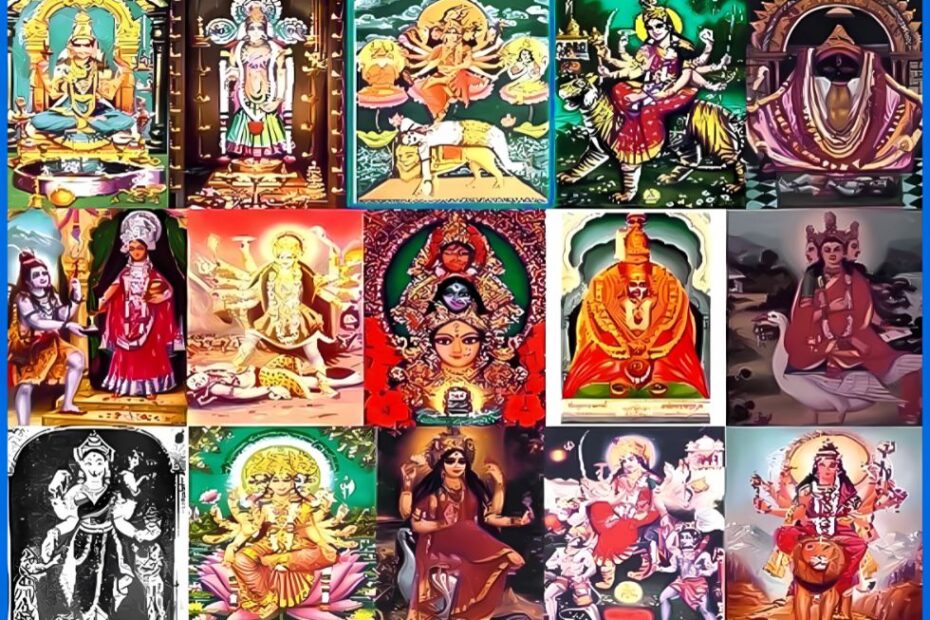
Shaktipeeths, deeply rooted in Hindu tradition, are sacred places dedicated to the divine feminine energy, revered as the abode of Goddess Shakti. These places hold immense spiritual significance, with thousands of devotees visiting them for blessings, healing, and divine connection. But, the question often arises – are Shaktipeeths truly religious abodes of the Goddess, or are they merely a part of mythology? Let’s delve into this fascinating subject and explore the profound significance of Shaktipeeths from both a spiritual and mythological perspective.
What are Shaktipeeths?
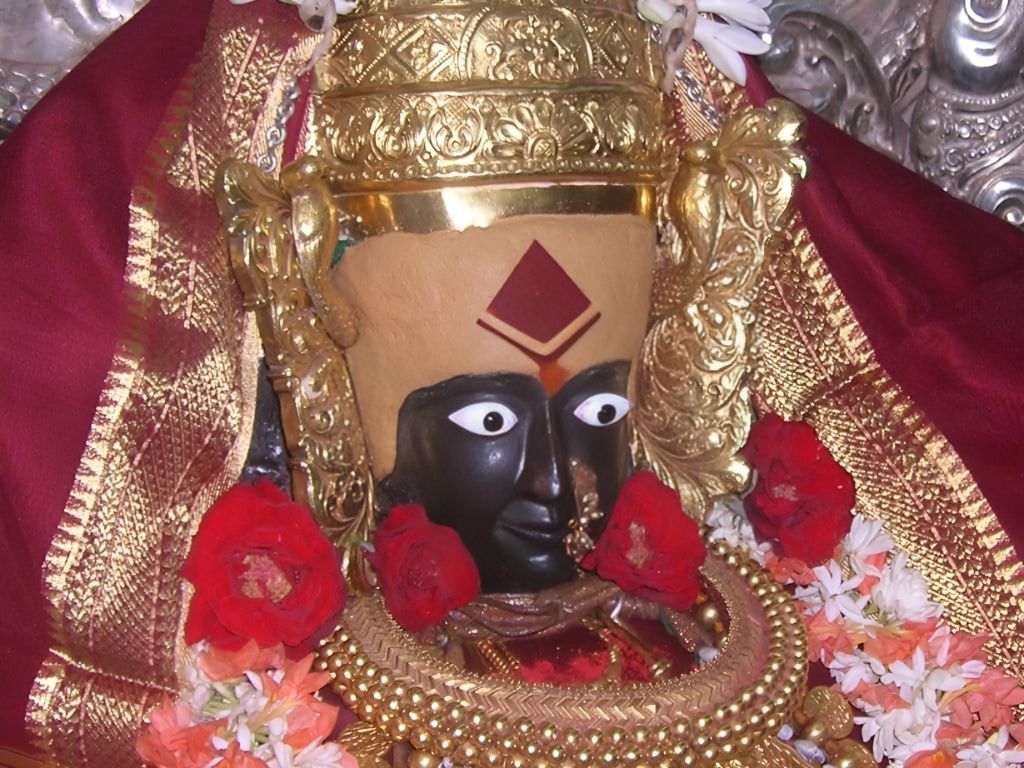
Shaktipeeths are sacred shrines dedicated to the Goddess in her form as Shakti, the cosmic energy that powers all existence. According to ancient texts, these temples mark the places where the body parts of Goddess Sati fell after her self-immolation. The legend is rooted in the famous mythological story of Sati, who was the wife of Lord Shiva.
When Sati’s father, Daksha, insulted Shiva during a yagna, she couldn’t bear the insult and immolated herself. Shiva, in his grief and fury, performed the Tandav dance, carrying her dead body. To calm Shiva’s rage, Lord Vishnu used his Sudarshan Chakra to dismember Sati’s body, and each part of her body is believed to have fallen in different places on Earth, thus creating 51 Shaktipeeths.
Are Shaktipeeths Just Mythology?
While the story of Shaktipeeths comes from ancient mythology, their significance extends beyond mere myth. The mythological tale is deeply symbolic, representing the eternal bond between Shiva and Shakti, and their power to create and destroy. But, the importance of these shrines is not limited to stories from ancient texts – they have evolved into spiritual centers for millions of devotees, guiding people on their paths of devotion and self-realization.
Shaktipeeths are more than places of mythological significance; they are active centers of spiritual practice. They provide a sacred space for worship, meditation, and spiritual rejuvenation. Whether it is the famous Kaalighat Shaktipeeth in Kolkata or the Jwalamukhi Shaktipeeth in Himachal Pradesh, each of these temples offers a powerful connection to the divine energy of Goddess Shakti.
Spiritual and Astrological Significance of Shaktipeeths
From an astrological perspective, Shaktipeeths symbolize the presence of divine energy in specific locations, making them sacred spots that align with cosmic energies. Visiting these sacred shrines is believed to bring about spiritual growth and help balance the energies of the devotee’s birth chart. In astrology, Goddess Shakti is often associated with the energies of the planets and the power of transformation. The belief is that worshipping at Shaktipeeths can bring peace, prosperity, and resolution of karmic issues.
Why are Shaktipeeths Important?
- Spiritual Healing:
Shaktipeeths are believed to have the power to heal the mind, body, and soul. Devotees visit these temples to seek blessings from Goddess Shakti, who is known to remove obstacles and protect her devotees from harm. - Energy Transformation:
The energy at Shaktipeeths is believed to be potent and transformative. Worshipping at these shrines helps individuals connect with their divine energy, enabling them to tap into their own spiritual power. - Manifestation of Devotion:
For many, visiting a Shaktipeeth is an act of devotion. It represents a spiritual journey to honor the Goddess and seek her blessings for protection, fertility, success, and wisdom. The energy and rituals performed at these sacred places help strengthen one’s devotion.
The Popular Shaktipeeths Across India
India is home to several prominent Shaktipeeths, each of which carries its unique significance and history. Some of the most revered Shaktipeeths include:
- Vaishno Devi (Jammu & Kashmir):
One of the most famous Shaktipeeths, Vaishno Devi is located in the Trikuta Hills of Jammu. The shrine is dedicated to Goddess Vaishno, and millions of pilgrims visit every year to seek her divine blessings. - Kamakshi Devi (Tamil Nadu):
Situated in Kanchipuram, Kamakshi Devi is a powerful Shaktipeeth where Goddess Kamakshi is worshipped as the goddess of love and fertility. - Jwalamukhi (Himachal Pradesh):
Known for its eternal flames, Jwalamukhi is another significant Shaktipeeth, where Goddess Jwala, the flame deity, is worshipped. - Kaalighat (West Bengal):
Located in Kolkata, Kaalighat is the site where the toes of Goddess Sati are believed to have fallen. This temple is revered as a significant Shaktipeeth in Eastern India. - Madhaveshwar (Uttarakhand):
A lesser-known but powerful Shaktipeeth, Madhaveshwar is situated in the Garhwal Himalayas and holds great spiritual importance.
Lessons from Shaktipeeths: Mythology Meets Reality
Whether or not Shaktipeeths are just mythical is a question of perspective. While the mythology surrounding these places is deeply symbolic, the spiritual significance they hold is very real for millions of devotees. The physical presence of these shrines makes them sacred spaces where the divine energy of Goddess Shakti manifests.
By visiting these holy sites, individuals not only pay homage to the Goddess but also absorb the energies of transformation, healing, and spiritual growth. In essence, Shaktipeeths offer a blend of mythology, spirituality, and real-life experiences, making them both a symbol and a reality for those seeking divine connection.
Conclusion: Shaktipeeths – A Sacred Reality
Shaktipeeths transcend the realms of mythology, embodying the cosmic energy of Goddess Shakti. These sacred shrines continue to inspire millions, offering solace, healing, and spiritual upliftment. Whether viewed through the lens of ancient mythology or modern spirituality, Shaktipeeths remain a powerful reminder of the divine feminine energy that governs the universe.
For engaging astrology content, please follow us on Instagram.