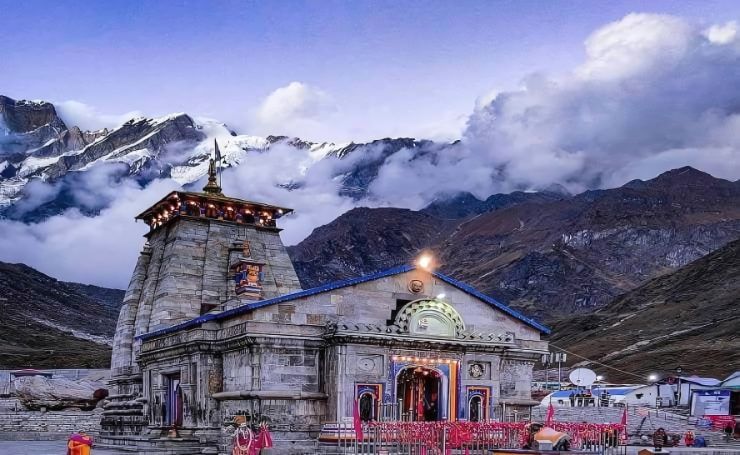
Nestled in the Garhwal Himalayas of Uttarakhand, Kedarnath Mandir is one of the holiest shrines for Hindus. This ancient temple dedicated to Lord Shiva is renowned for its spiritual significance, stunning location, and historical mysteries. From its mythical origins to the miraculous tales associated with it, Kedarnath Temple continues to captivate devotees and travelers alike. Here are some fascinating facts about this sacred place.
1. A Part of the Char Dham and Panch Kedar
Kedarnath is one of the Char Dham Yatra destinations, along with Badrinath, Gangotri, and Yamunotri. It is also the most prominent among the Panch Kedar temples, which are a group of five Shiva shrines in Uttarakhand. Devotees believe visiting these temples brings salvation.
2. Mythological Origins: Pandavas and Lord Shiva

The temple’s origins are deeply rooted in the Mahabharata. It is believed that the Pandavas, after winning the Kurukshetra war, sought forgiveness from Lord Shiva for killing their kin. Shiva, in his attempt to avoid them, transformed into a bull and submerged in the ground at Kedarnath. The hump of the bull is worshipped at the temple, while other parts are spread across the Panch Kedar.
3. Built by the Pandavas, Restored by Adi Shankaracharya
Kedarnath Mandir is said to have been initially constructed by the Pandavas. Later, Adi Shankaracharya, the revered 8th-century Indian philosopher and saint, is credited with reviving and restoring the temple, making it a pivotal center of Shaivism.
4. Unique Architecture Withstands Time and Nature
Perched at an altitude of 3,583 meters (11,755 feet), Kedarnath Temple is built using large stone slabs, interlocked without mortar. The temple’s design has withstood centuries of natural disasters, including earthquakes and extreme weather.
5. Miraculous Survival During the 2013 Floods
One of the most astonishing facts is the temple’s survival during the 2013 Uttarakhand floods. While the surrounding town was devastated, the temple stood unharmed, protected by a massive rock (believed to be sent by Lord Shiva) that diverted the floodwaters away.
6. Accessible Only for Six Months a Year
Due to heavy snowfall and extreme weather conditions, Kedarnath is accessible only from April to November. During the winter months, the deity is moved to Omkareshwar Temple in Ukhimath, where prayers continue.
7. No Electric Power Used Inside the Sanctum
The temple’s sanctum retains its ancient ambiance, as no electric lights are allowed. Only natural light and oil lamps illuminate the inner sanctum, creating a serene and spiritual atmosphere.
8. The Lingam Is Naturally Formed
The Shiva Lingam at Kedarnath is a natural rock formation, making it unique among other Jyotirlingas in India. Devotees believe it radiates immense spiritual energy.
9. A Trekker’s Paradise
Reaching Kedarnath Mandir is an adventure in itself. Pilgrims trek approximately 16 kilometers from Gaurikund to reach the temple. The route is surrounded by breathtaking views of snow-capped peaks and lush greenery. For those unable to trek, helicopter services are available.
10. The Mandakini River’s Blessing
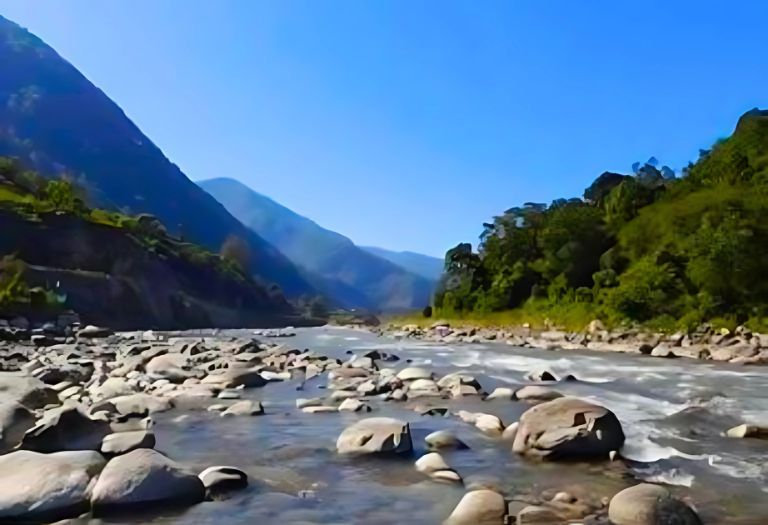
Flowing beside the temple is the Mandakini River, adding to the spiritual charm of Kedarnath. It is believed that taking a dip in the icy waters purifies the soul.
11. Connection to the Saptarishi Constellation
Kedarnath Temple is aligned with the Saptarishi (Ursa Major) constellation. This alignment adds to its mystical allure and showcases the advanced knowledge of ancient Indian astronomy.
12. The Kedarnath Idols: Mysterious Relocation
The idols within the sanctum are believed to be self-manifested, and their relocation during the winter months is performed with great reverence. Interestingly, locals report experiencing a divine presence during the relocation process.
13. Pilgrimage’s Spiritual Benefits
It is believed that visiting Kedarnath helps cleanse sins, grants spiritual enlightenment, and ensures moksha (liberation from the cycle of life and death).
How to Plan Your Kedarnath Visit?
- Best Time to Visit: Between May and June or September and October, to avoid the monsoon season.
- Travel Options: Start from Haridwar or Rishikesh to reach Gaurikund, the base camp. Trekking, ponies, and helicopter services are available.
- Stay: Accommodation options range from guesthouses to campsites near the temple.
Conclusion
Kedarnath Mandir is not just a pilgrimage site; it is a symbol of faith, resilience, and spiritual energy. Whether you’re seeking divine blessings, exploring ancient Indian history, or marveling at nature’s beauty, a visit to Kedarnath is truly transformative.
For engaging astrology content, please follow us on Instagram.