
The history of zodiac signs is a fascinating tale that has traversed cultures, civilizations, and centuries, shaping the way we view the cosmos and ourselves. The zodiac, with its 12 distinct signs, is more than just a tool for daily horoscopes; it’s a system rooted in ancient traditions, symbolizing the connection between the stars and human life. From its origin in Babylonian astronomy to its current use in Western astrology, the story of the zodiac signs is as magnificent as it is ancient.
In this blog, we’ll explore the origins and evolution of the zodiac signs, how they have influenced cultures across time, and their role in today’s astrology.
The Origins of Zodiac Signs

The concept of the zodiac can be traced back to the ancient Babylonians around 1800 BCE. The Babylonians, known for their keen astronomical observations, divided the sky into 12 equal sections corresponding to the 12 lunar cycles in a year. Each of these sections was associated with specific constellations, forming the foundation for the 12 zodiac signs we recognize today: Aries, Taurus, Gemini, Cancer, Leo, Virgo, Libra, Scorpio, Sagittarius, Capricorn, Aquarius, and Pisces.
The word “zodiac” itself comes from the Greek word “zodiakos kyklos,” meaning “circle of animals.” Interestingly, most of the signs are represented by animals or mythological creatures, reflecting their symbolic meanings.
The Zodiac’s Journey through Cultures
Babylonia:
The Babylonians were among the first to use the zodiac for divination and predicting celestial events. They assigned each zodiac sign to a constellation and believed that these constellations influenced human affairs. This was the earliest recorded system that connected the positions of the stars to people’s personalities and destinies.
Ancient Greece:
The Greeks adopted the Babylonian zodiac system and refined it. Greek astronomer Ptolemy (circa 150 CE) played a crucial role in developing the astrological system. He wrote the “Tetrabiblos,” a key text that linked the zodiac signs to planetary influences, personal traits, and predictions. Greek mythology further shaped the characteristics associated with each zodiac sign, embedding them in Western astrology.
Roman Empire:
The Romans carried on the Greek tradition, translating the zodiac into Latin and incorporating it into their own belief systems. The Roman adaptation of astrology became widespread, and the zodiac began to influence everyday life, from politics to agriculture.
India and the Vedic Zodiac:
While Western astrology was evolving, India developed its own astrological system known as Jyotish or Vedic astrology. The Vedic zodiac shares similarities with its Western counterpart, such as 12 zodiac signs, but it differs in its calculations. Vedic astrology uses the sidereal zodiac, based on the actual positions of the constellations, while Western astrology uses the tropical zodiac, which is based on the position of the sun relative to the equinoxes.
The Zodiac Signs in Modern Western Astrology
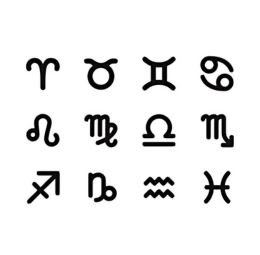
In today’s Western astrology, the zodiac signs are divided among the four classical elements: fire, earth, air, and water. Each sign has unique attributes that are said to influence personality traits, behaviors, and life paths.
- Fire Signs (Aries, Leo, Sagittarius): Known for passion, energy, and a zest for life.
- Earth Signs (Taurus, Virgo, Capricorn): Grounded, practical, and focused on the material world.
- Air Signs (Gemini, Libra, Aquarius): Intellectual, communicative, and innovative.
- Water Signs (Cancer, Scorpio, Pisces): Emotional, intuitive, and deeply connected to their inner world.
Evolution of the Zodiac
The zodiac signs, though rooted in ancient astronomy, have evolved to meet the spiritual and psychological needs of people across time. From being tools of cosmic observation in Babylonia to systems for predicting personal destinies in the modern era, the zodiac has adapted to the changing beliefs and scientific advancements of each age.
While astrology was once considered a science, today, it’s regarded more as a spiritual and personal development tool. The zodiac signs, with their archetypal meanings, help individuals gain insights into their personalities, relationships, and even life purposes.
The Role of the Zodiac in Popular Culture
In contemporary society, zodiac signs have become a popular means of self-expression and exploration. Horoscopes are widely published in newspapers, websites, and social media, helping people understand the astrological influences at play in their lives. Many people consult their zodiac signs to make sense of their daily experiences, relationship dynamics, and future decisions.
Additionally, zodiac symbols and traits have found their way into art, fashion, and even marketing, showcasing the enduring allure of these ancient symbols.
The Zodiac: A Cosmic Connection
The zodiac signs serve as a bridge between the stars and our lives on Earth. While their origins are grounded in ancient cultures, their meanings have evolved to remain relevant today. Whether viewed through the lens of astrology, mythology, or personal growth, the zodiac is a testament to humanity’s long-standing fascination with the cosmos and our desire to understand ourselves within it.
Conclusion
The history of zodiac signs is a magnificent journey through time, spanning millennia and connecting cultures. From their Babylonian beginnings to their modern interpretations, the zodiac has always been a powerful symbol of the human quest for knowledge, self-awareness, and cosmic connection.
As we continue to explore the mysteries of the zodiac, we honor the ancient wisdom that has guided us and look forward to the endless possibilities that the stars may reveal.
For engaging astrology content, please follow us on Instagram.