
Earth Day, celebrated annually on April 22, is a reminder of our responsibility to protect the planet. In the pandemic era, our connection to nature and our collective impact on the environment have been brought into sharp focus. While the world grappled with challenges, we also learned invaluable lessons about sustainability, resilience, and the importance of mindful living.
Here are the key takeaways from the pandemic era that can guide us toward a more sustainable future:
1. Nature Thrives When We Pause
During the pandemic, lockdowns resulted in reduced human activity, giving nature a rare opportunity to heal. Rivers ran clearer, skies turned blue, and wildlife returned to spaces they had abandoned.
Key Lessons:
- Reducing pollution and overuse of natural resources can have immediate positive effects.
- Our everyday activities, like commuting and energy consumption, significantly impact the planet.
Action Point:
Adopt eco-friendly practices, such as walking or biking instead of driving, and reducing energy usage at home.
2. The Importance of Local and Sustainable Living

The pandemic disrupted global supply chains, highlighting the value of supporting local businesses and growing our own food.
Key Lessons:
- Sustainable living reduces our carbon footprint and promotes community resilience.
- Consuming seasonal and locally sourced products is better for the environment.
Action Point:
Start a small garden or buy from local farmers and artisans.
3. Digital Revolution and Its Role in Sustainability
The pandemic accelerated digital adoption, from remote work to virtual events. This shift helped reduce travel-related emissions and fostered the idea of a digital-first approach.
Key Lessons:
- Embracing technology can reduce our environmental impact.
- Remote work and virtual meetings are viable alternatives to travel.
Action Point:
Advocate for hybrid work models and digital solutions to minimize unnecessary travel.
4. Health and Environment Are Interconnected
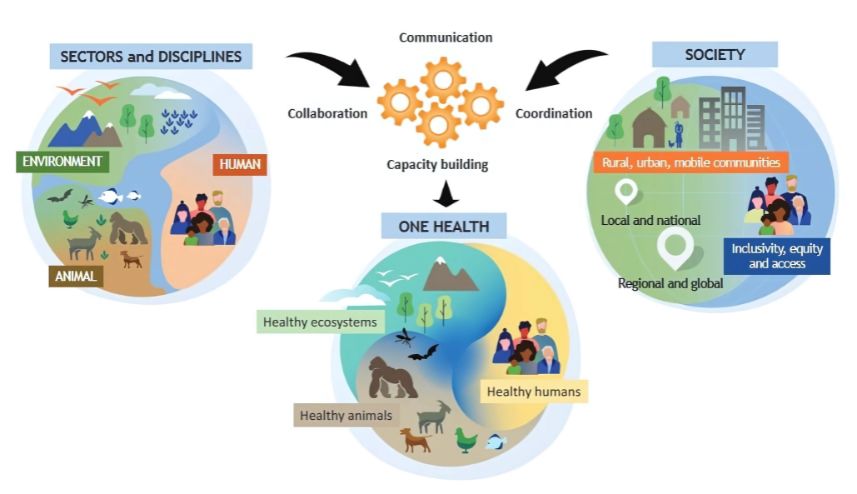
The pandemic underscored the link between human health and the environment. Clean air, safe water, and green spaces are essential for physical and mental well-being.
Key Lessons:
- Environmental degradation contributes to health crises, including respiratory issues and pandemics.
- Investing in green infrastructure benefits both people and the planet.
Action Point:
Participate in local clean-up drives and advocate for policies that prioritize green spaces.
5. Reduce, Reuse, and Recycle: The Basics Matter
With the surge in single-use plastics during the pandemic, waste management became a pressing issue. The era reminded us of the importance of the 3Rs.
Key Lessons:
- Conscious consumption and waste reduction are critical.
- Recycling helps reduce landfill overflow and conserves resources.
Action Point:
Choose reusable alternatives for everyday items and segregate waste properly.
6. Climate Change Is Real and Urgent
Extreme weather events during the pandemic served as a stark reminder of the ongoing climate crisis. The pandemic paused our lives but not the effects of climate change.
Key Lessons:
- Immediate action is needed to mitigate climate change.
- Individual and collective efforts can make a difference.
Action Point:
Support renewable energy, reduce water waste, and spread awareness about climate action.
7. The Power of Community and Collective Action
The pandemic showcased the strength of community-driven efforts, from mutual aid to environmental campaigns.
Key Lessons:
- Working together amplifies impact.
- Small changes by many people create significant environmental benefits.
Action Point:
Join or start community initiatives focused on sustainability, such as tree-planting drives or recycling programs.
Astrology’s Role in Our Connection to Nature
Astrology provides insights into our cosmic connection to the Earth and the universe. It reminds us of our responsibility to align our actions with nature’s rhythm.
Tips:
- Check your daily horoscope today for insights on how to contribute to the planet positively.
- Use astrology horoscope signs to understand how different zodiac energies interact with nature and the environment.
Conclusion: A Greener Tomorrow Starts Today
Earth Day 2024 is an opportunity to reflect on the lessons of the pandemic era and commit to a sustainable future. By embracing mindful living, supporting local efforts, and taking individual responsibility, we can protect our planet for generations to come.
Let’s use the insights gained during these unprecedented times to make every day Earth Day. Together, we can create a greener, healthier, and more harmonious world.
For engaging astrology content, please follow us on Instagram.