Astrology has fascinated humanity for centuries, offering insights into our lives through the positioning of celestial bodies. However, the debate continues: is astrology merely a belief system, or does it have a scientific basis? Let’s explore the various aspects of astrology to understand whether it’s just faith or if there’s a scientific angle to consider.
Understanding Astrology
Astrology involves the study of celestial bodies and their influence on human affairs. The core elements include astrology horoscope signs, astrology signs, and astrology charts. Each zodiac sign, from Aries to Pisces, is believed to impact personality traits and life events. This system operates on the premise that the positions of planets and stars can provide valuable insights into our daily lives.
Astrology and Science: The Debate

1. Astrology as a Belief System
For many, astrology is primarily a matter of faith. The practice relies on interpreting celestial events and correlating them with personal experiences. Astrology predictions and astrology today offer guidance based on the positions of the moon, planets, and stars. Many people find comfort and meaning in astrology’s predictions, which often focus on love, career, and personal growth.
2. The Scientific Perspective
From a scientific standpoint, astrology lacks empirical evidence. The scientific method requires observable, measurable, and repeatable results, which astrology does not consistently provide. Despite this, advancements in technology and AI astrology have led to the development of sophisticated astrology apps and applications. These tools use algorithms to analyze data and generate predictions, but their effectiveness remains a subject of debate.
3. Astrology and Personal Experience
Astrology’s appeal often lies in its ability to provide personal insights. For example, astrology based on date of birth or astrology using DOB can offer personalized horoscopes and predictions. Many users find that these insights align with their experiences, reinforcing their belief in astrology. However, critics argue that this alignment can be attributed to generalizations and psychological effects, rather than scientific validity.
The Role of Free Astrology Services
Free astrology services, such as free astrology predictions and free astrology online, make astrology accessible to a broader audience. These services provide daily, weekly, and monthly horoscopes, along with detailed astrology charts. While they offer valuable insights, their reliability and accuracy are often questioned due to the lack of rigorous scientific validation.
Vedic Astrology and Cultural Perspectives
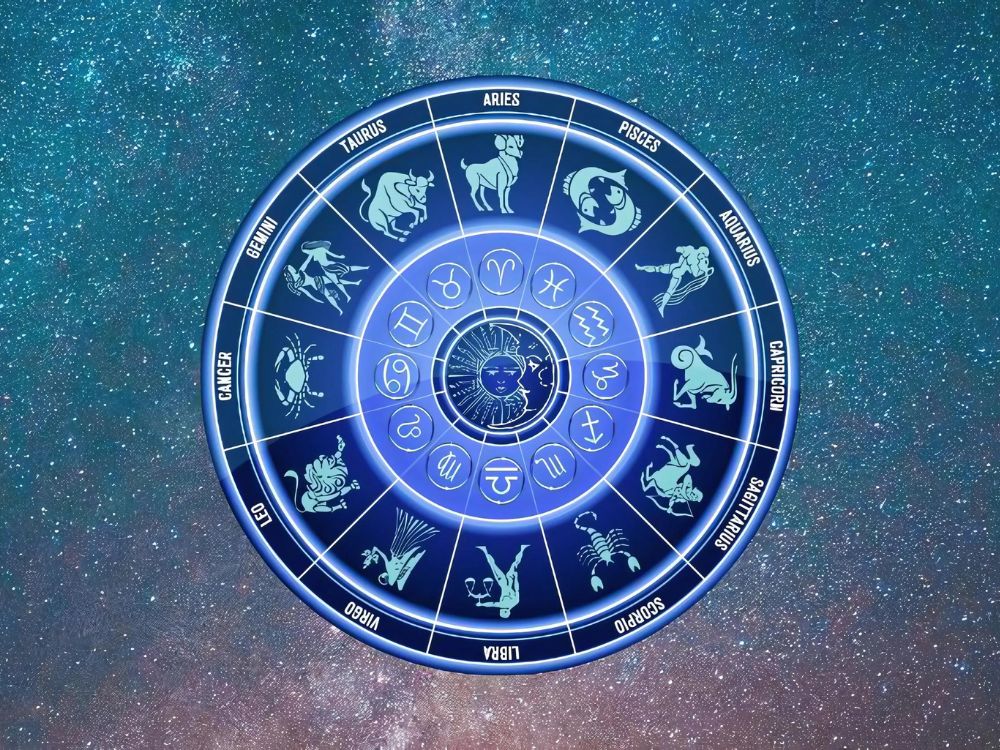
In various cultures, such as Indian astrology (Vedic astrology), astrology plays a significant role. Indian astrology in Hindi and Telugu, along with other regional variations like astrology Tamil and astrology Malayalam, integrates deeply into cultural practices and beliefs. These practices often include astrology marriage matching and predictions based on detailed charts.
Conclusion: Faith or Science?
Astrology straddles the line between faith and science. For many, it provides valuable personal insights and comfort, aligning with their beliefs and experiences. However, from a scientific perspective, astrology lacks empirical support and rigorous validation. Whether you view astrology as a faith-based practice or a form of science, its impact on personal lives and cultural traditions is undeniable.
Whether you consult astrology apps, read daily horoscopes, or explore astrology houses, it’s essential to approach astrology with an open mind and a critical eye. Understanding both perspectives can help you appreciate the complex nature of astrology and its role in our lives.
For engaging astrology content, please follow us on Instagram.