Introduction
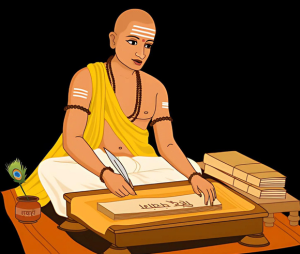
The Panchang, a revered and ancient Hindu calendar, holds a significant place in the spiritual and daily lives of millions. This traditional calendar is not just a tool for tracking days but a comprehensive guide that includes various aspects of timekeeping, such as tithis (lunar days), nakshatras (constellations), and planetary positions. Understanding the Panchang is essential for anyone interested in Hindu rituals, astrology, and the cultural fabric of India.
What is Panchang?
Panchang, derived from the Sanskrit words “Pancha” (five) and “Anga” (limbs), refers to the five elements of time that it encompasses:
- Tithi: The lunar day, which plays a crucial role in determining auspicious times for rituals.
- Nakshatra: The lunar constellation that influences individual destinies.
- Yoga: The auspicious and inauspicious combinations of the sun and moon’s positions.
- Karana: Half of a lunar day, used to calculate muhurtas (auspicious moments).
- Var: The day of the week.
Together, these elements help in determining the best days and times for performing various religious and cultural activities, making the Panchang indispensable in Hindu tradition.
Why is Panchang Important?
For Hindus, the Panchang is not just a calendar; it’s a guide to living in harmony with the cosmos. Whether it’s planning a wedding, starting a new business, or performing religious ceremonies, the Panchang provides the most auspicious timings, known as “muhurtas.”
Panchang and Rashifal: A Deep Connection
The Panchang also plays a pivotal role in astrology, particularly in determining the daily rashifal (horoscope). Understanding your rashifal today can offer insights into your day’s prospects. Whether you’re checking your mithun rashi today, kanya rashi today, or kumbh rashi today, the Panchang’s detailed calculations provide accurate predictions.
Panchang and Kundli Matching
In Hindu marriages, kundli matching is a crucial step, and the Panchang aids in this by providing the rashi bhavishya (future predictions) of both individuals. The positions of the stars and planets at the time of birth, as noted in the Panchang, help in assessing compatibility and ensuring a harmonious marital life.
Panchang in Different Languages and Cultures
The Panchang is available in various languages, reflecting the diverse cultural practices across India. For instance, in Bengal, people often refer to the aajker rashifal or rashifal bangla today to understand their daily astrological predictions. Similarly, those who speak Hindi might look for the aaj ka rashifal or panchang aaj ka to align their activities with cosmic influences.
Conclusion
The Panchang remains a prestigious and vital part of Hindu culture, guiding millions in their daily lives. Whether you’re looking to understand your rashifal or planning a significant life event, the Panchang’s detailed insights offer invaluable guidance. By aligning our actions with the cosmic calendar, we can lead more harmonious and prosperous lives.
Understanding the Panchang is essential for anyone interested in Hindu traditions, astrology, and the intricate connections between time and human destiny. So, the next time you’re planning your day, don’t forget to consult the Panchang—it might just make all the difference.
For engaging astrology content, please follow us on Instagram.