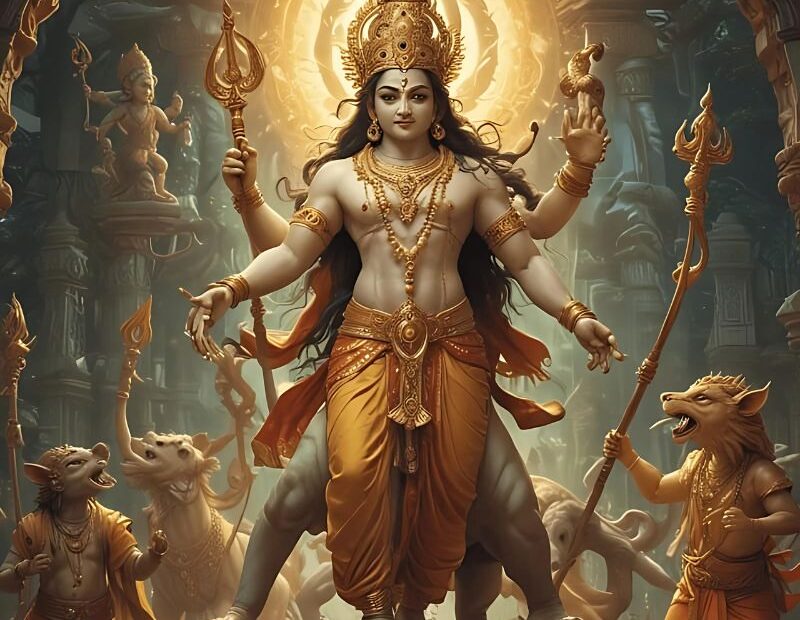
Hindu mythology is rich with a diverse array of mythological creatures that play significant roles in ancient texts and stories. These creatures embody various aspects of the divine, natural, and supernatural worlds, contributing to the vibrant tapestry of Hindu legends and traditions. In this blog, we’ll explore some of the most fascinating mythological creatures from Hindu mythology and their symbolic significance.
1. Garuda: The Divine Eagle
Garuda is one of the most revered mythological creatures in Hindu mythology, often depicted as a colossal eagle or bird. As the mount of Lord Vishnu, Garuda symbolizes power, speed, and the ability to transcend the mundane. In ancient texts, Garuda is known for his immense strength and his role as a protector against evil forces. His presence in Hindu mythology represents the triumph of good over evil and the divine ability to overcome obstacles.
2. Naga: The Serpent Beings
The Nagas are serpentine beings that appear frequently in Hindu mythology. They are often depicted as half-human, half-snake creatures with the ability to control rain and water. The Nagas are associated with the underworld and are considered protectors of hidden treasures. They play important roles in various mythological stories, symbolizing both the protective and destructive aspects of nature.
3. Rakshasas: The Demonic Entities
Rakshasas are mythical demons that are often portrayed as malevolent and fearsome beings. They possess magical powers and are known for their shape-shifting abilities. In Hindu mythology, Rakshasas frequently appear as antagonists who oppose the gods and heroes. Their presence in the mythological narrative represents the challenges and adversities faced by the divine and human characters.
4. Asuras: The Powerful Titans
Asuras are powerful beings in Hindu mythology who are often depicted as adversaries of the gods (Devas). They are known for their strength and ambition but are usually characterized by their ego and desire for domination. The conflict between Asuras and Devas is a central theme in many Hindu myths, representing the eternal struggle between order and chaos, and the balance of cosmic forces.
5. Kinnara: The Celestial Musicians
Kinnaras are divine beings that are often portrayed with the upper body of a human and the lower body of a horse or bird. They are known for their musical talents and are considered celestial musicians who entertain the gods. In Hindu mythology, Kinnaras symbolize the beauty of art and music, and their presence highlights the divine connection between the earthly and celestial realms.
6. Yaksha: The Nature Spirits
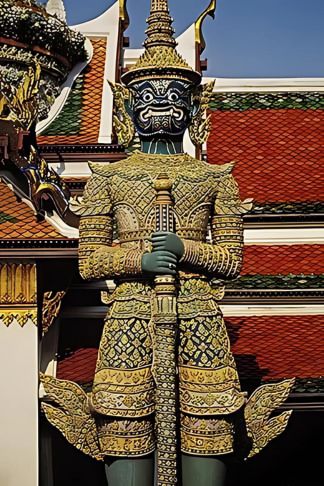
Yaksha are nature spirits or deities associated with forests, mountains, and natural resources. They are often depicted as benevolent beings who protect and nurture the environment. Yaksas are known for their ability to bestow blessings and wealth, and they play important roles in maintaining the balance of nature in Hindu mythology.
7. Vishnu’s Avatars: Diverse Incarnations
One of the most prominent mythological creatures in Hinduism is the various avatars of Lord Vishnu. These include well-known incarnations such as Lord Rama, Lord Krishna, and Lord Varaha (the boar). Each avatar represents a unique aspect of divine intervention and is associated with specific mythological stories and teachings. Vishnu’s avatars embody the divine principles of righteousness, protection, and preservation of the universe.
8. Apsaras: The Celestial Nymphs
Apsaras are celestial nymphs known for their beauty, grace, and enchanting dance. They are often depicted as alluring female figures who entertain the gods and celestial beings. Apsaras play a significant role in Hindu mythology, symbolizing the divine aspects of beauty, art, and pleasure. They are also associated with the concept of divine allure and the art of seduction.
9. Chthonic Beings: The Underworld Entities
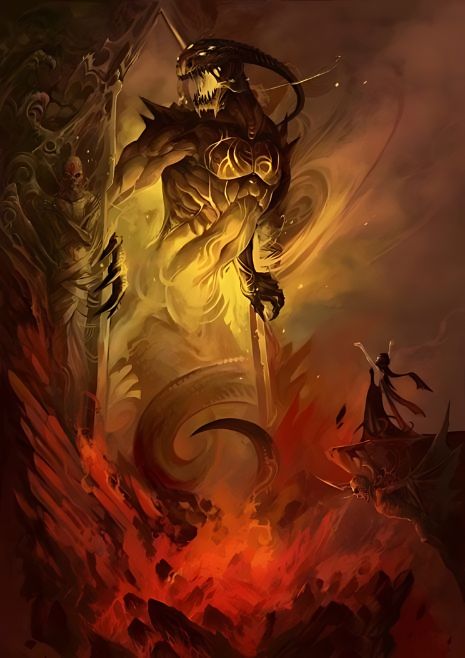
In Hindu mythology, various chthonic beings inhabit the underworld or netherworld realms. These include creatures like the Pishachas, who are associated with spirits of the deceased and dark forces. They represent the hidden aspects of existence and the mysteries of the afterlife, playing important roles in the spiritual and moral teachings of Hindu mythology.
Conclusion
Mythological creatures in Hindu mythology are not just fantastical beings but carry deep symbolic meanings that reflect the values, beliefs, and cosmological views of ancient India. From the divine Garuda to the enigmatic Rakshasas, these creatures enrich the narrative tapestry of Hindu legends and offer insights into the spiritual and moral dimensions of life.
For those interested in exploring more about Hindu mythology, consider delving into ancient texts or using online resources that provide detailed insights into these mythological figures. Understanding these creatures can offer a deeper appreciation of the rich and diverse world of Hindu mythology.
For engaging astrology content, please follow us on Instagram.